




TestimonialsContact Us

Restaurant bookkeeping services for restaurants, bars and cafés.

Toast says one number and the bank says another. DoorDash pays a week later, net of its cut. Our restaurant bookkeeping services tie every sale to a deposit and get tips right. We track prime cost, your food, drink and labor as a share of sales, every week. Your books close by the 10th, so you see what each location earned before the next order.

See the restaurant scope

Weekly sales · 3 locations

Prime cost 61.8%

Reconciled
Net salesPrimePrime %
  • Downtown$48,200$29,40061.0%
  • Midtown$36,900$23,10062.6%
  • Airport$22,700$14,16062.4%
  • POS batches matched to deposits21 of 21
  • Delivery payouts split from fees$9,840
  • Tips reconciled to payroll$12,310
  • Vendor invoices coded to COGS186
  • Toast
  • Square
  • DoorDash
  • QuickBooks
  • Gusto

Certified on the platforms your business already runs on

  • Intuit QuickBooks ProAdvisor Certified Level 1
  • Intuit QuickBooks ProAdvisor Certified Level 2
  • Gusto Payroll Certified
  • Xero Payroll Certified
  • ISO 9001:2015 Certified Company
  • GDPR Compliant
  • ISO 27001:2022 Certified Company
  • AICPA SOC 2 Type II audited
  • HIPAA compliant

Where the money slips between the POS and the bank.

A slow leak rarely looks like a mistake. It looks like a packed Friday that made no money. It can also be an IRS notice about tips, or an app that kept more than you agreed. Each one starts at the register and ends in the books.

  • 01

    Card batches that never match the deposit

    Toast or Square closes the day at one total. The processor settles a day or two later, minus fees. Cash, voids and comps move the number in between.

    What it costs you

    A short till or a processor error hides for weeks, and no one can say which shift it came from.
  • 02

    Delivery apps booked at the payout

    DoorDash, Uber Eats and Grubhub take commission, promo costs and refunds before they pay. The net deposit gets posted as sales.

    What it costs you

    Sales look smaller than they were, and an app that loses money on every order looks fine.

  • 03

    Tips that live in three places

    Card tips sit in the POS, cash tips in an envelope, and tip-outs in a spreadsheet. Payroll gets whatever someone types in.

    What it costs you

    Wrong payroll tax, upset servers, and a FICA tip credit that no one can support.

  • 04

    Food cost found after the fact

    Invoices get paid when they show up, and inventory is counted once in a while. Food cost is only known once the month is long gone.

    What it costs you

    A price jump from your produce vendor runs for weeks before anyone notices.

  • 05

    Labor with no sales beside it

    Payroll runs on time, but hours and overtime are never set against the sales each shift brought in.

    What it costs you

    You can't tell a heavy Tuesday schedule from a lean Saturday, and prime cost creeps up.

  • 06

    One distributor, one expense line

    Sysco or US Foods sends food, beer, paper goods and cleaning supplies on one invoice. It all lands in a single account.

    What it costs you

    Cost of goods is wrong by category, so menu prices and pour costs are guesses.

  • 07

    Sales tax split across channels

    Dine-in, takeout, alcohol and delivery can each be taxed differently. In most states the apps collect and remit tax on their own orders.

    What it costs you

    You pay tax twice on app sales, or miss tax on the orders the app did not cover.

  • 08

    A second site on the first site's books

    The new location shares the original bank account, payroll and ledger.

    What it costs you

    The strong site hides the weak one, and a lease renewal is signed without real numbers.

  • 09

    Gift cards booked as sales

    Gift cards and event deposits are booked as revenue the day they are sold, not the day they are used.

    What it costs you

    December looks better than it was, the cards you still owe are invisible, and January looks worse.

01 of 09

Restaurant bookkeeping services, from the nightly batch to the close.

One flat monthly rate covers every step below, for every location. There are no add-ons, and the price does not rise with covers or ticket count.

Sales, tips and deposits

Each sale traced from the POS to the bank, by channel and by location.

Daily POS-to-bank match
Toast, Square and Clover sales matched to card batches and cash, with voids and comps noted.
Delivery app statements
DoorDash, Uber Eats and Grubhub payouts split into sales, commission, promos and refunds.
Tip pools and tip-outs
Card and cash tips tied to payroll, with Form 4070 and 8027 records kept for your CPA.
Gift cards and event deposits
Held as a liability until the card is used or the event takes place.
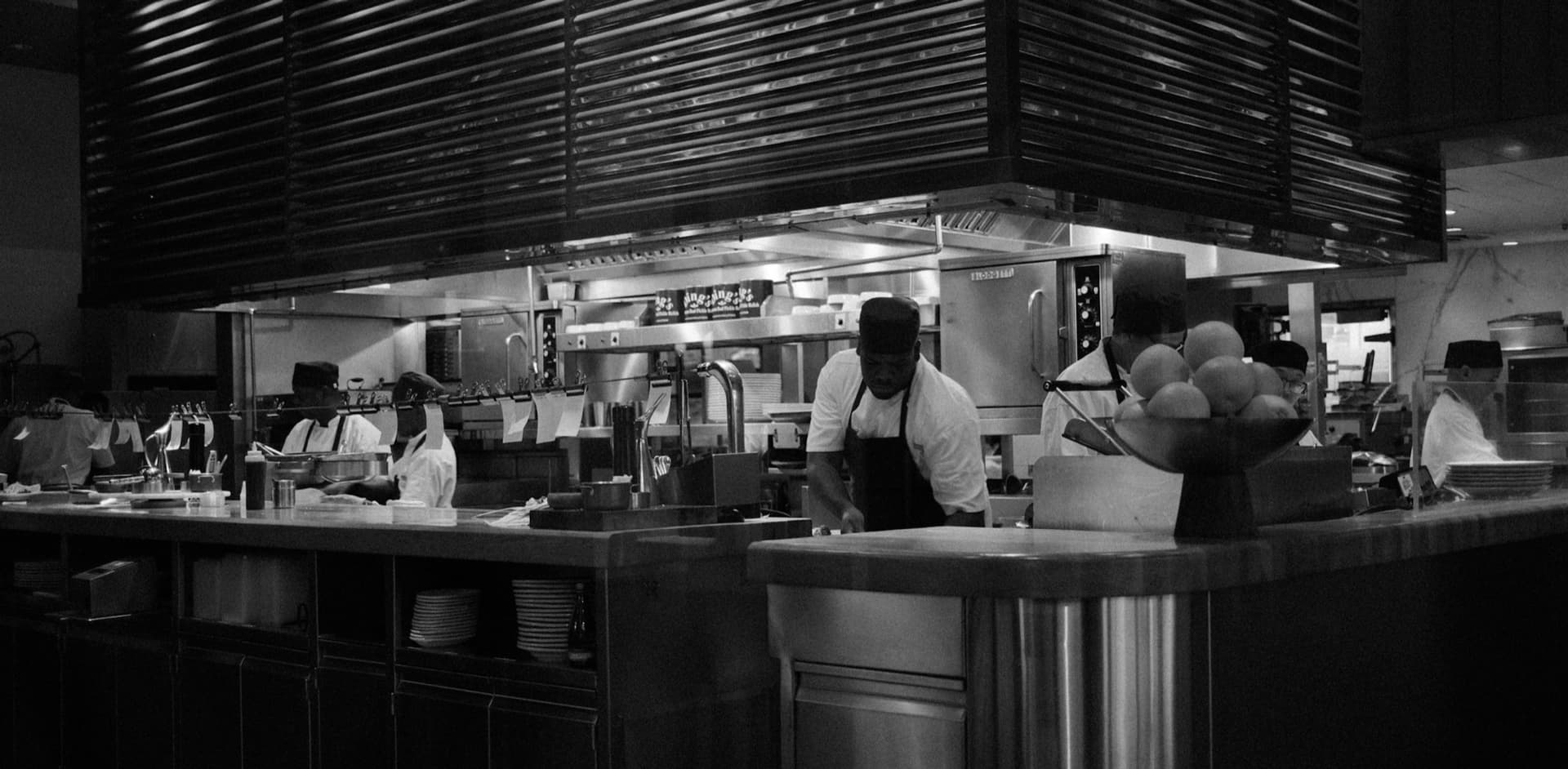
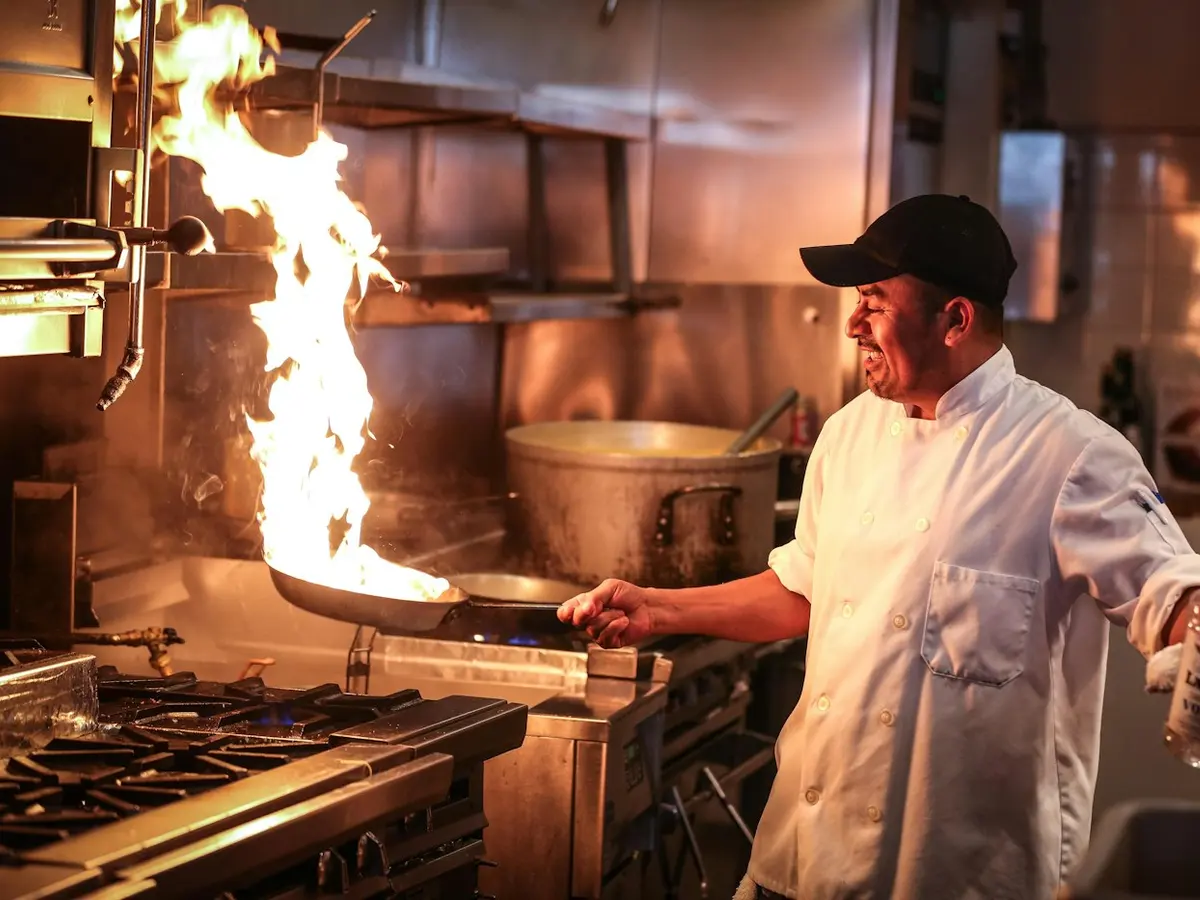
Chef cooking over a flaming range in a restaurant kitchen

Food, labor and inventory

The costs that decide whether a full dining room made money.

Invoices coded by category
Distributor bills split into food, beer, wine, liquor and paper, so cost of goods is right.
Weekly prime cost report
Food, drink and labor against sales each week, so drift shows while you can still fix it.
Month-end inventory value
Your counts priced and booked, so cost of goods matches what the kitchen used.
Labor by location
Payroll tied to Gusto, Toast Payroll or ADP, with labor set against each site's sales.
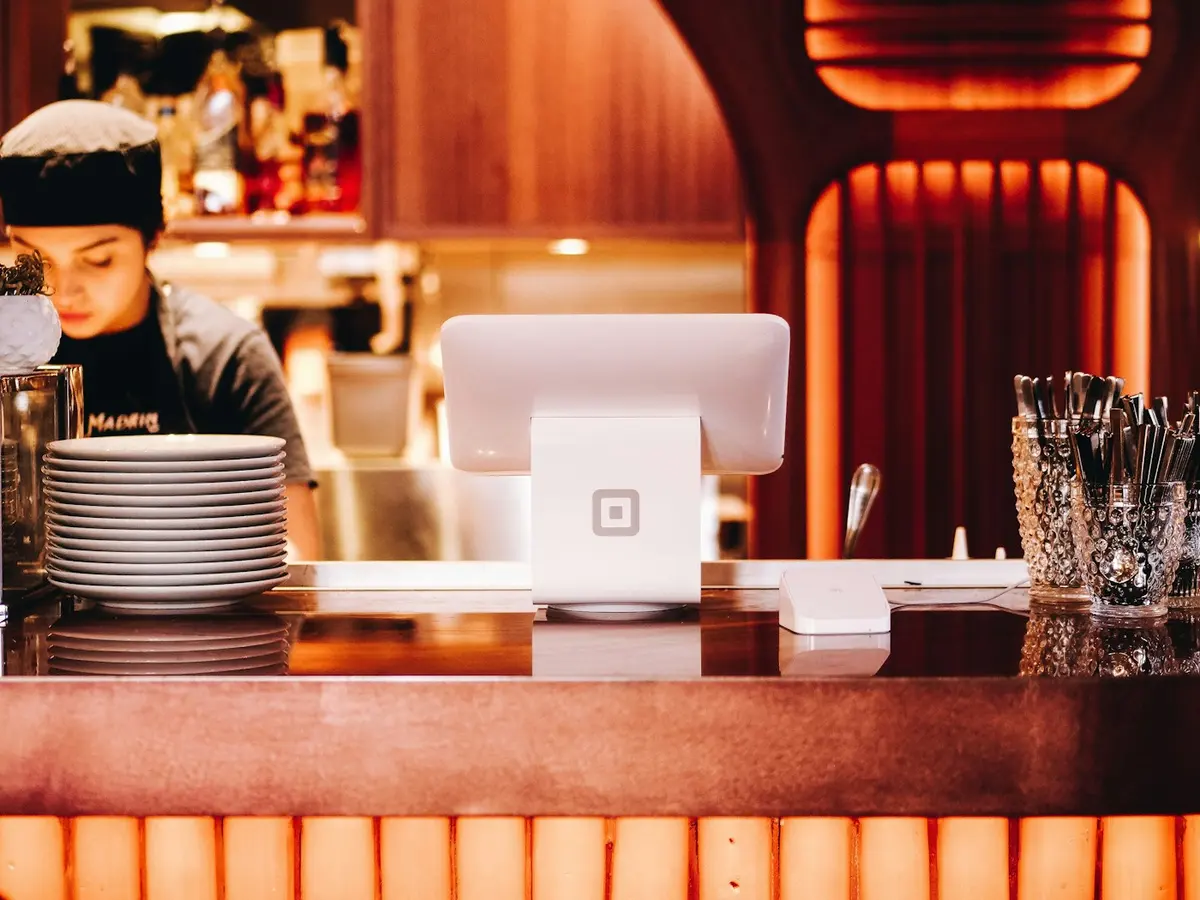
Server at a point-of-sale terminal behind the counter

Sales tax, close and P&L

Tax owed tracked by channel, and each month closed one location at a time.

Sales and liquor tax liability
Tax tracked by channel and jurisdiction, with app-collected tax kept apart from yours.
Location and group P&L
Each site reported on its own, then rolled up, so sites compare on the same basis.
Close package by the 10th
P&L, balance sheet and cash flow for each site, with a short note on what changed.
Tax-season file for your CPA
Reconciled books with tip, inventory and equipment records attached.
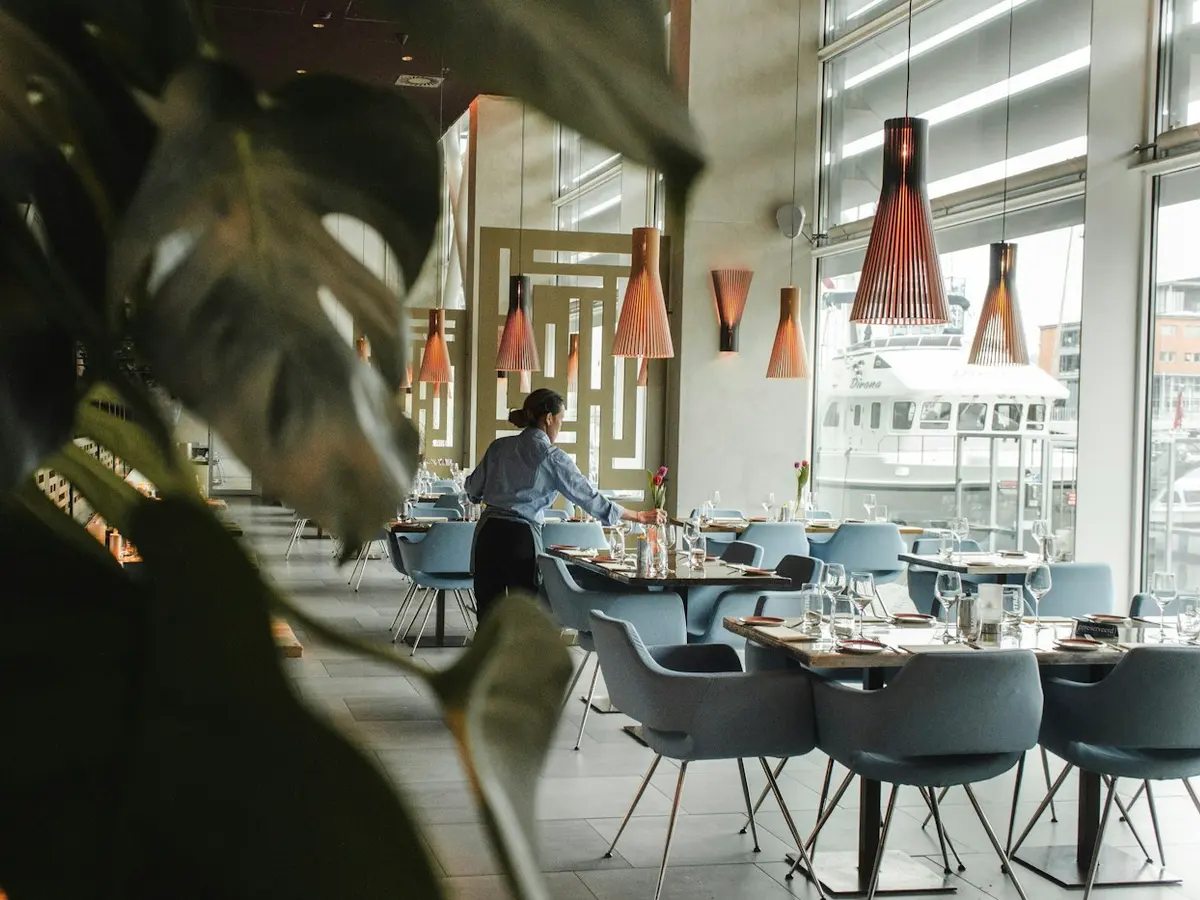
Bright restaurant dining room set for service

Toast, Square and Gusto stay exactly where they are.

We log in to the POS, payroll and ledger you already use. Nothing moves, you buy no new software, and service runs the way it runs now.

ToastSquareCloverDoorDashUber EatsQuickBooksXeroGustoBill.comDext

Get last month's prime cost,rebuilt from your invoices

Send a few details about your restaurant. We read how sales, deposits and invoices are posted today and flag each place the numbers drift. You get one flat monthly price to fix it and keep it fixed. The review is free, with no obligation.

  1. Where POS sales miss your deposits
  2. Each delivery app split into its fees
  3. Last month's prime cost, recalculated
  4. A written flat rate within 24 hours

Covered from day one

  • Toast
  • Prime cost
  • Tip pools
  • DoorDash

No card needed. Send it after close and we reply within 24 hours on business days.

Three booking habits that bury a restaurant's real margin.

These three show up in restaurant books more than any others. One skews your menu prices. One skews your schedule. One makes a losing delivery app look worth keeping.

Three booking habits that bury a restaurant's real margin.
01Posting the deposit as the saleWhat it causesCard fees, app commission, refunds and chargebacks disappear inside a net deposit. Sales look lower, and no channel shows its true cost.How we handle itWe start from the POS and app reports. Gross sales and each fee post on their own lines, then tie back to the deposit.
02Checking food cost once a quarterWhat it causesBy the time a quarterly count shows food cost is up, a price rise or a waste problem has run for months.How we handle itWe code each invoice by category as it arrives and send prime cost weekly. A two-point jump shows up within days.
03Leaving tips to payrollWhat it causesCard tips paid out in cash, pools no one wrote down and tips missing from payroll all create tax risk. They also weaken the tip credit claim.How we handle itWe tie every tip from the register to payroll. Your CPA gets the records to claim the credit on Form 8846.

Sales tied out to the batch, prime cost sent every week.

Restaurant accounting services that stop at a monthly P&L can't tell you which shift or app lost money. We match every channel to the bank, and a second person reviews each close. The fee stays flat through the slow season and the busy one.

Matched to a bank deposit
Every batch
Prime cost by location
Weekly
Tied out to payroll
Every tip
Close delivered for each site
Day 10

Prime cost, pour cost and app margin, read in plain English.

A P&L shows the month. The figures below show which lever to pull on the menu, the schedule or the apps.

Every month

Arrives with each close, in time for next week's order and schedule.

  • Measures: Food, drink and labor as % of sales

    Why it matters: The number that decides whether a restaurant makes money. Many full-service rooms aim for about 60 to 65 percent.

  • Measures: Food, beer, wine and liquor vs sales

    Why it matters: Shows where a plate cost or a pour cost has slipped, and which category is carrying the rest.

  • Measures: App sales less commission and promos

    Why it matters: Tells you whether each app earns its spot, or whether menu prices on it need to rise.

Every year

Worked out at year end, ready for a lease talk or a loan.

  • Measures: Net sales by site, year over year

    Why it matters: Separates a site that is growing from one riding a good summer. Know this before any lease talk.

  • Measures: Rent, CAM fees and property tax vs sales

    Why it matters: CAM is the common area maintenance your landlord passes on. Rent plus CAM is the fixed cost that most often sinks a good concept.

  • Measures: Total tax as a share of profit

    Why it matters: Confirms the tip credit and other items booked through the year actually reached the return.

A Toast batch, a DoorDash payout and a close that ties out both.

Reconciling a bank account is the easy part. Bookkeeping for restaurants also means splitting a Grubhub statement and building prime cost by site. That takes restaurant accounting know-how. Here is where the two approaches part ways.

Books set up for any businessWith Twelix
  • SalesBank deposits posted as salesPOS and app sales tied out, fees apart
  • Food costSeen once the month is closedCoded per invoice, prime cost weekly
  • TipsWhatever payroll was toldRegister to payroll, credit supported
  • Delivery appsOne net payout per weekSales, commission and promos split
  • ReportingA single P&L, all sites blendedP&L and prime cost for each site

Two days to connect your POS, then the same close each month.

We start by reading your sales channels, not changing them. After that, the close lands on the same days every month.

Setup

Getting the POS and books to agree

One time, before the first close
  1. 01

    Day 0

    A free look at your POS and books

    We spend 30 minutes on how you sell, pay and tip out. Then we open your POS and ledger to see how sales, app payouts and tips are posted.

  2. 02

    Within a day of the call

    A written price for every site

    The fee covers every location and sales channel. If back months need repair, that cleanup comes as a second, separate quote.

  3. 03

    Day 2

    POS, payroll and app logins

    Logins for the POS, delivery apps, payroll and ledger come over. Location classes and clearing accounts get set up before any sale is posted.

  4. 04

    Days 3 to 14

    Sales rebuilt from the register

    We rebuild sales from POS reports, split app payouts, tie out tips and recode invoices. You start the first close from balances you can trust.

Monthly

The close, every location

Same dates, every location
  1. 01

    Every service night

    Batches and invoices posted daily

    Daily sales, app payouts and vendor invoices are coded as they come in. Prime cost goes out each week.

  2. 02

    First 5 days

    Every channel tied to the bank

    POS batches, apps, bank, cards and payroll are reconciled. Tips are tied out and the gift card balance is updated.

  3. 03

    Before the 9th

    Second review and counts priced

    A second reviewer checks the whole close. Inventory counts are priced, and food, drink and labor cost are checked by site.

  4. 04

    No later than the 10th

    Each site's P&L and a short note

    You get a P&L, balance sheet and cash flow for every location. A short note says what changed and what needs your call.

After the first close, the four monthly steps repeat for every location.

Kitchen gear, tip credits and other items booked all year.

We book these through the year as the invoices arrive. By tax season each one sits in the file with its invoice or payroll record behind it.

  • Ovens, coolers and dish machines

    Kitchen equipment and smallwares on a depreciation schedule. Your CPA chooses Section 179 or bonus depreciation.

  • FICA tip credit (Form 8846)

    Employer Social Security and Medicare paid on tips, with the $5.15 wage test applied, recorded for your CPA.

  • Hood cleaning and kitchen repair

    Hood and grease trap cleaning, pest control, equipment service and dining room repairs.

  • App promos and local ads

    Delivery app promotions, social ads, printed menus and local sponsorships.

  • POS, ordering and scheduling tools

    POS plans, online ordering fees, reservation apps and scheduling tools like 7shifts.

  • Liquor license and insurance

    Liquor license renewals, health permits, liability and workers' comp premiums.

01 of 06

Whether each item applies, and how much, turns on your entity and how you run the room. We book it right. Your tax preparer decides how it is claimed.

Real stories from business owners.

Owners who moved their books to Twelix, on what changed afterward.

Eric Wexler, Obsedian Media LLC
Chad Fischman, Fischman Asphalt
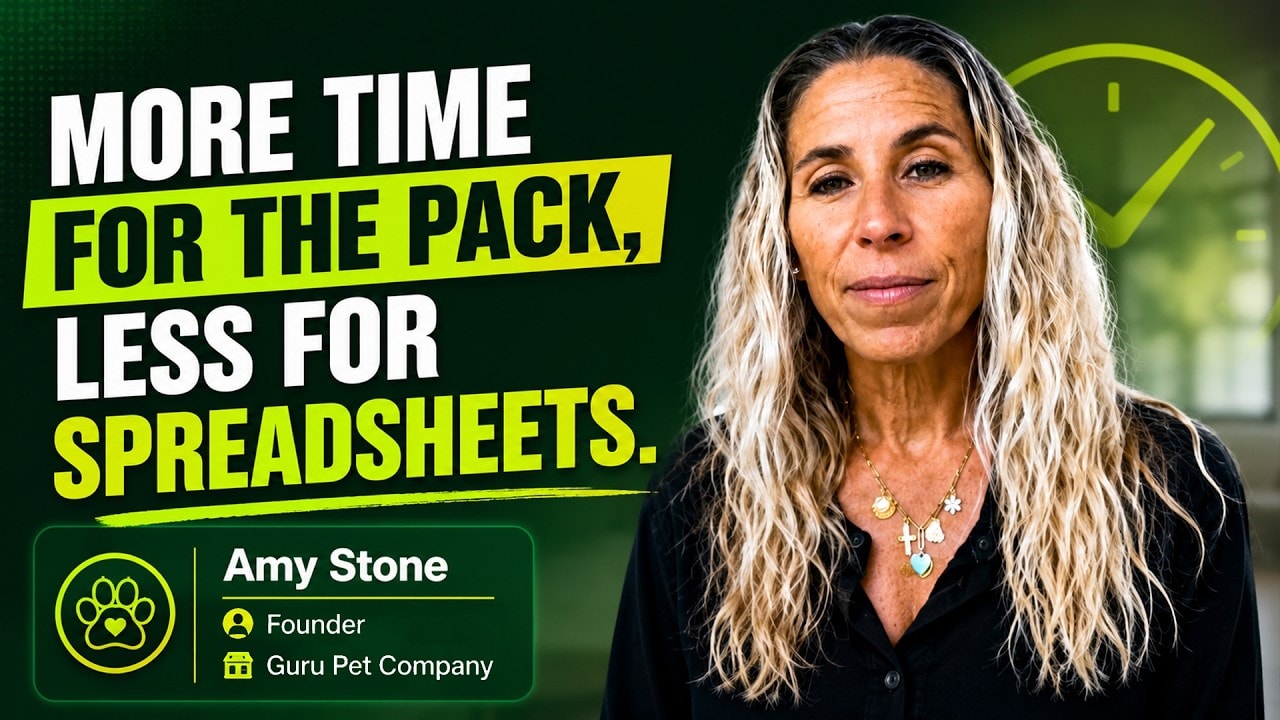
Amy Stone, Guru Pet Company
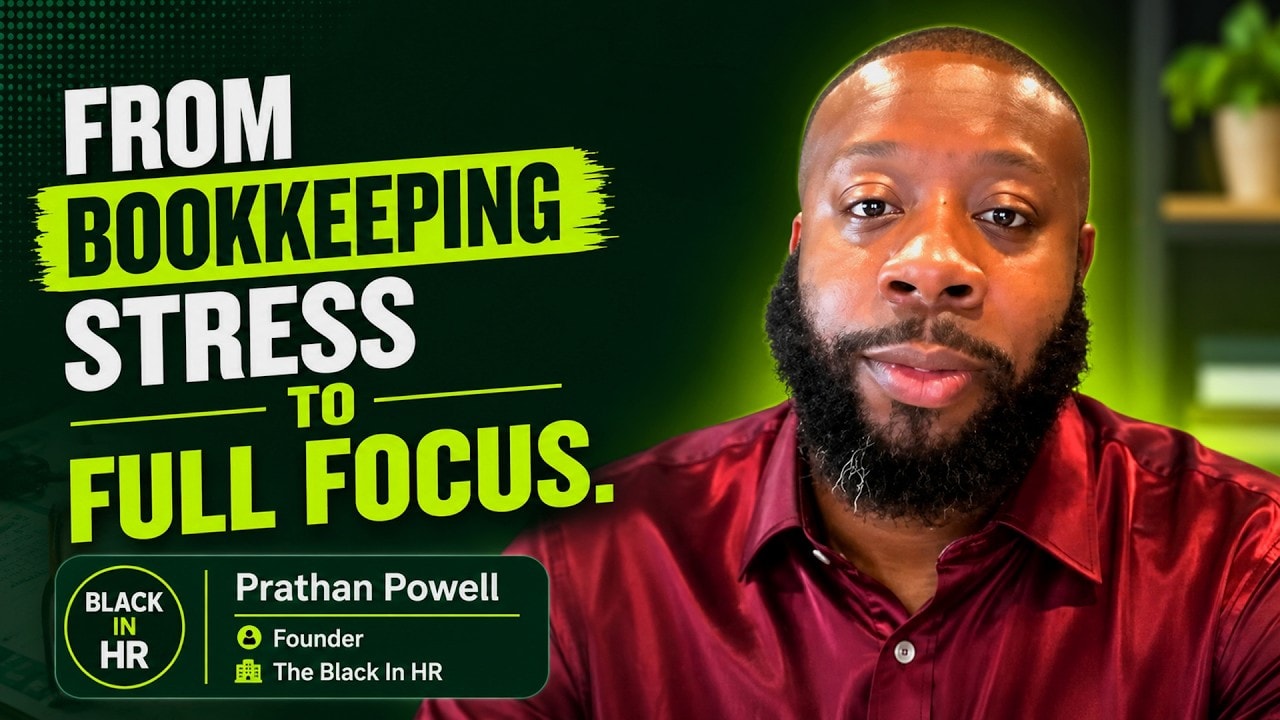
Prathan Powell, The Black In HR
Eric Wexler, Obsedian Media LLC
Chad Fischman, Fischman Asphalt

01 of 04

Restaurant bookkeeping services: tips, comps, apps and cost.

  1. Yes, we reconcile Toast, Square, Clover and SpotOn, even when different locations run different systems. Each site's sales are matched to its card batches and cash deposits. Voids, comps, discounts and gift card activity are noted along the way. A short till or a processor error is then caught while the money can still be recovered.

  2. We tie every tip from the register to payroll, so what servers earned matches what payroll reported. Card tips, cash tips, pools and tip-outs are checked against your payroll provider. Staff report cash tips to you on Form 4070 or a similar record by the 10th of the next month. If tipping is customary and you normally have more than 10 employees on a typical day, you also file Form 8027 each year. We keep the records behind both.

  3. Yes, every week, not once a quarter. Distributor invoices are coded into food, beer, wine, liquor and supplies as they arrive. Month-end counts are priced and booked. Food, drink and labor are then reported against sales as prime cost. A two-point rise caught in a week is a menu tweak. Caught in a quarter, it is a lost season.

  4. You need the bookkeeping done every week, but you do not need to hire for it. Twelix runs it as a service: sales, tips, invoices and prime cost handled on fixed dates for one flat fee. Most owners also keep the CPA they have. We close the books each month, and your CPA handles tax planning and returns. At year end they get reconciled books with tip, inventory and equipment records attached.

  5. Yes, each location runs as its own class or entity, then rolls up into a group view. Sales, cost of goods, labor and rent are tracked per site. You get a P&L and prime cost for every location each month. Sites compare on the same basis, and a struggling one stands out early.

  6. Restaurant bookkeeping starts from POS and app reports, not the bank feed, because deposits arrive net of fees. It also tracks prime cost weekly, handles tip pools and tip credits, and holds gift cards as a liability. Regular bookkeeping posts deposits as income and reports once a month. That hides the costs a restaurant lives on.

  1. Yes, QuickBooks Online works well for most independent restaurants once it has location classes and clearing accounts. The POS posts a daily sales summary into it. Each delivery app posts through its own clearing account. Larger groups often add Restaurant365 or MarginEdge for invoices and inventory. We work in QuickBooks, Xero or the stack you already run.

  2. Record comps as a discount against sales and treat voids as never sold, so neither inflates revenue. The food cost of a comped plate stays in cost of goods. Staff meals are tracked apart from guest comps, since your CPA may treat them differently. We pull comp and void reports from the POS each month. A rising void count on one shift is worth a look.

  3. Yes, from 2026 your W-2s must show qualified tips on their own, but tips still carry payroll tax. The One Big Beautiful Bill Act lets eligible workers deduct up to $25,000 of qualified tips for 2025 through 2028. Employers report those tips in Box 12 with code TP, and the worker's job in Box 14b. IRS guidance is still new, so confirm the details with your CPA and payroll provider. Our part is clean tip records that feed payroll correctly.

  4. We book each order at its gross price, then post commission, promos, refunds and fees as separate costs. The source is the platform statement, not the deposit. Tax the app collected and remitted is kept apart from tax you owe. You then see a true margin for each app, which many owners have never had laid out.

  5. A gift card is a liability when sold and becomes revenue only when a guest redeems it. That keeps December from looking better than it was. It also shows how much you still owe in unused cards. Breakage, the share of cards never redeemed, falls under ASC 606 and your state's unclaimed property law. Your CPA confirms how it is treated.

  6. Our bookkeeping services for restaurants cost one flat monthly fee, set by your locations, sales channels, invoice volume and payroll size. It does not change with covers or the season. There is no setup fee, and the plan runs month to month. The price comes in writing within 24 hours of the free review call. Past months that need fixing get a separate cleanup quote.

See what each location clears after prime cost.

Set up a 30-minute call at a time that avoids service. We walk through your POS, tips and invoices with you and point out what is off. A flat monthly price follows. Nothing starts until you say so.

Talk to us first

Month to month. No setup fee. POS connected within 48 hours.