Key takeaways
- Calendar-year S-corps and partnerships on extension must file by September 15, 2026, and no further extension is available.
- All 12 months of 2025 must be reconciled and closed before a preparer can start the return.
- The late filing penalty is $255 per shareholder or partner, per month, for up to 12 months, even with no tax owed.
- Filing one day late counts as a full month, so a 5-partner partnership filing September 16 owes $1,275.
- Your CPA typically needs one to two weeks after cleanup to prepare the return, send questions back, and get your signature.
In this article
- The Short Answer
- When Are S-Corp and Partnership Returns Due in 2026?
- What Has to Be Closed Before Your Preparer Can Start
- The Exact Documents Your CPA Will Ask For
- What a 3 to 15 Day Books Cleanup Covers
- What Happens If You Miss the September 15 Deadline?
- September 15 Is Also a Quarterly Estimated Tax Deadline
- The October 15 Individual Deadline Is Separate
- How to Get Filing-Ready Before September 15
- The Deadline Is Real, and So Is the Runway
- Frequently asked questions
If you filed an extension back in March, the S-corp tax deadline you are actually working toward is September 15, 2026. That is a Tuesday, and it is under a month away.
Here is the trap that catches people every year. Owners on extension treat September 15 as the day the work happens. It is not. It is the day the return has to be accepted by the IRS. No preparer can file from books that are not closed.
Every month of the tax year has to be reconciled first. The statements have to tie out. And your CPA needs time to actually prepare the return.
Which means the real work sits in front of September 15, not on it. If your books are current, you are in good shape and this post is a checklist. If they are not, the runway is shorter than it looks.
Below is what has to be closed before a preparer can start. Then the exact documents they will ask for, what the penalty costs if you miss the date, and how much time to leave yourself.
The Short Answer
#Calendar-year S-corps and partnerships that filed Form 7004 have until September 15, 2026 to file Form 1120-S or Form 1065. There is no further extension after that date.
Before a preparer can file, all 12 months of 2025 must be reconciled and closed. Miss the deadline and the penalty is $255 per shareholder or partner, per month, for up to 12 months. It applies even when the entity owes no tax at all.
When Are S-Corp and Partnership Returns Due in 2026?
#The original deadline for calendar-year 2025 returns was March 16, 2026. Normally it would be March 15, but that fell on a Sunday, so the IRS moved it to the next business day.
If you filed Form 7004 by that date, you received an automatic six-month extension. That puts the tax extension deadline for 2026 at September 15, 2026, covering both forms:
- Form 1120-S for S-corporations
- Form 1065 for partnerships and multi-member LLCs taxed as partnerships
Two things worth being clear about.
This is the last extension. There is no second Form 7004 and no further filing extension available. September 15 is the end of the line.
Individual returns are on a different clock. Personal 1040 returns on extension are due October 15, 2026. That gap matters more than it appears, and there is a section on it below.
What Has to Be Closed Before Your Preparer Can Start
#This is the part that turns a deadline into a scramble.
A tax preparer does not reconstruct your books. They take closed books and turn them into a return. If the books are not closed, there is nothing to prepare from. The September 15 date stops mattering, because the work cannot begin.
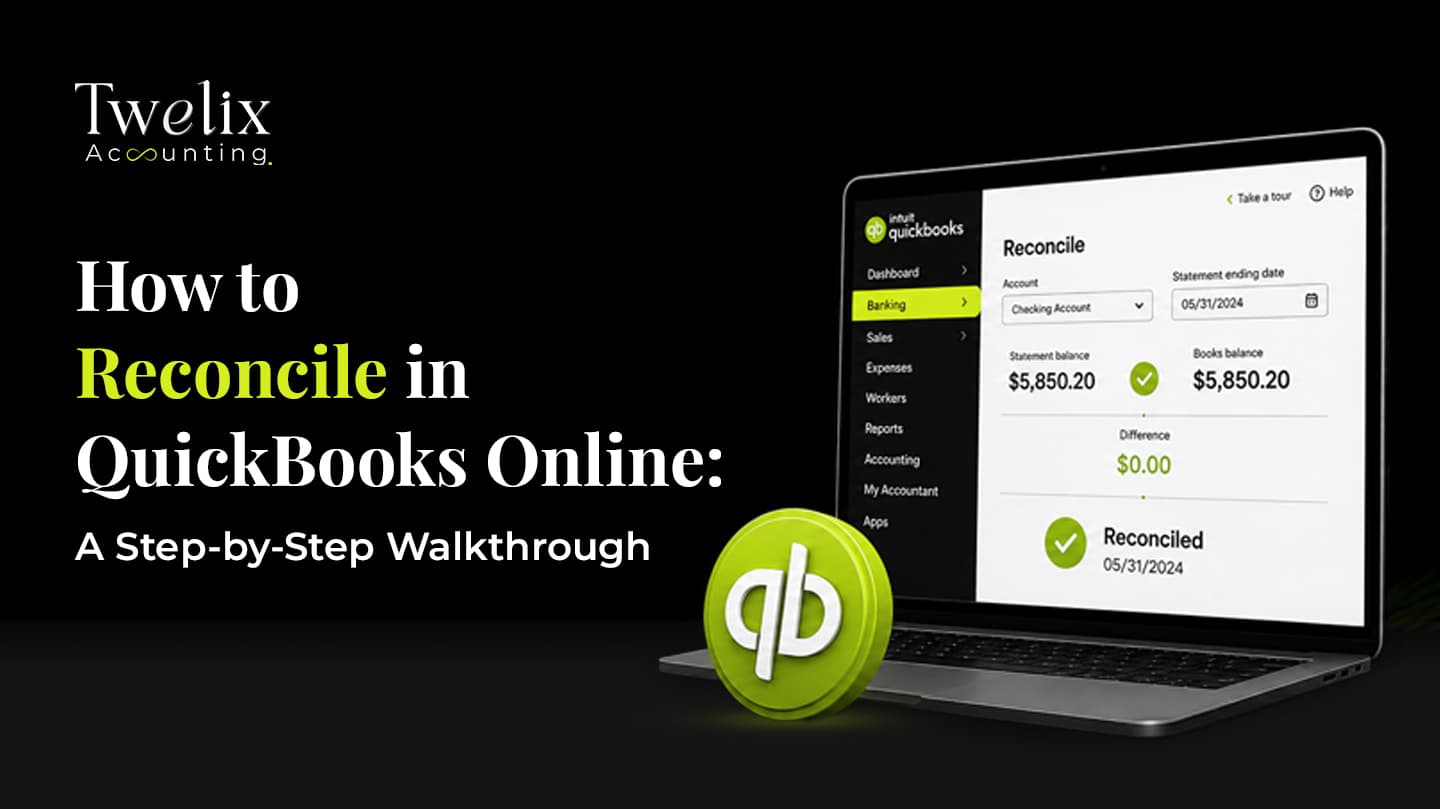
All 12 months of the tax year have to be reconciled. Not the messy ones. Not the quarters you remember being fine. Every month, January through December 2025. A single unreconciled month shifts the year-end balances the entire return is built on. If you are doing this yourself, the month-end reconcile walkthrough covers the process one account at a time. Contractors carry extra dates alongside this one, and the contractor's full 2027 calendar shows what the books must show on each.
"Closed" has a specific meaning here, and it is worth spelling out:
- Every bank and credit card account is reconciled through December 31, with the ending balance matching the statement
- Every transaction is categorized, with nothing sitting in "Ask My Accountant" or an uncategorized holding account
- Payroll is tied out, so wages on the books match your quarterly filings and W-2 totals
- Loan balances match lender statements, with principal and interest split correctly
- Owner draws, distributions, and contributions are recorded to the right equity accounts
When those five things are true, you have CPA-ready financials. That means a profit and loss statement, a balance sheet, and a general ledger a preparer can work from without sending questions back. It is the actual deliverable your CPA is waiting on.
If some months are behind, that is catch-up bookkeeping, and it has to happen before anything else. Our bookkeeping cleanup service brings those months current first.
The Exact Documents Your CPA Will Ask For
#Hand these over clean and a good preparer moves quickly. Hand over a partial set and you are in cleanup territory, with the clock running.
Financial statements
- Year-end profit and loss statement for 2025
- Year-end balance sheet as of December 31, 2025
- General ledger for the full year
Banking
- December bank and credit card statements for every account
- Reconciliation reports showing each account tied out
Payroll
- W-2s and the W-3 transmittal
- All four quarterly Form 941 filings
- Payroll register summarizing wages by employee
Information returns
- 1099s your business issued
- 1099s your business received
Assets and debt
- Fixed asset register and depreciation schedule
- Loan statements with year-end balances
- Documentation for any major asset purchase or sale during the year
Ownership
- Prior-year tax return
- Shareholder or partner basis schedules
- Distributions taken by each owner
- Capital account detail per owner
- Supporting detail for each K-1
The last group is where returns most often stall. Basis and capital account tracking tends to be the thing nobody maintained during the year, and it cannot be reconstructed in an afternoon.
What a 3 to 15 Day Books Cleanup Covers
#When months are behind, a 3 to 15 business day books cleanup is the fastest route to CPA-ready financials. The range depends on transaction volume and how many months are open, not on how complicated your business is. If you are unsure whether the work is catch-up, cleanup or both, catch-up vs. cleanup bookkeeping walks through the test.
The work covers:
- Reconciling every bank and credit card account for all open months
- Correcting miscategorized and uncategorized transactions across the year
- Tying payroll to your 941s and W-2s
- Matching loan balances to lender statements and splitting principal from interest
- Cleaning up owner draws, distributions, and equity accounts
- Producing the final P&L, balance sheet, and general ledger your preparer needs
Now the part that matters most in August. Cleanup has to finish with buffer left for the preparer. Your CPA needs time to prepare the return, send questions back, and get your signature. That is typically one to two weeks on top of the cleanup. Longer if your preparer is carrying a full September queue, which most are.
Working backward from September 15, starting a cleanup in early September is cutting it dangerously close. Starting now leaves room for the questions that always come up. If your books are behind, our cleanup service is built for exactly this window, at a flat rate based on transaction volume.
What Happens If You Miss the September 15 Deadline?
#Here is the counterintuitive part, and it is the reason this deadline gets underestimated.
The penalty is not based on tax owed. S-corps and partnerships are pass-through entities, so they frequently owe nothing at the entity level. People reason that a late return on a zero-tax entity cannot cost much. That reasoning is wrong.
The penalty is $255 per shareholder or partner, per month or part of a month, for up to 12 months. It is multiplied by the number of owners, not by any tax figure.
Two worked examples:
| Scenario | Calculation | Penalty |
|---|---|---|
| 3-shareholder S-corp, 2 months late | $255 × 3 owners × 2 months | $1,530 |
| 5-partner partnership, 3 months late | $255 × 5 owners × 3 months | $3,825 |
Watch the words "part of a month." Filing one day late is a full month's penalty. A 5-partner partnership that files on September 16 owes $1,275 for that single day.
There is more exposure beyond the filing penalty:
- $340 per K-1 not furnished to an owner on time, rising to $680 per K-1 where the failure is treated as intentional disregard
- 5% of unpaid tax per month, capped at 25%, if the entity does owe tax at its own level
Relief exists, but do not plan around it. First-Time Abatement may apply if you have a clean compliance history for the prior three years. The Small Partnership Exception under Revenue Procedure 84-35 can waive the penalty for partnerships with 10 or fewer partners. It requires that all partners are US individuals or estates, that income is allocated pro rata, and that every partner filed their own return on time. Neither form of relief is automatic and neither is guaranteed. Filing on time is the only reliable strategy.
September 15 Is Also a Quarterly Estimated Tax Deadline
#The same date does double duty. September 15, 2026 is also the Q3 due date for quarterly estimated taxes. Pass-through owners generally have a Form 1040-ES payment due the same day they file the entity return.
One distinction costs people money every year. An extension to file was never an extension to pay. If tax was owed back in March, interest has been accruing since then, extension or not.
The October 15 Individual Deadline Is Separate
#Personal 1040 returns on extension are due October 15, 2026, a Thursday.
The reason it belongs in this post is the dependency between the two. You usually cannot finalize a personal return until the entity K-1s are issued. The K-1 supplies the pass-through income that lands on your 1040. So a late entity return cascades directly into an October scramble for every owner.
Landing the entity return by September 15 keeps the personal filing on schedule. Missing it compresses two deadlines into four weeks.
If this is not the first year your returns have landed on extension, the cause is usually the books rather than the tax position. Why your books, not your taxes, pushed you to October covers how to tell, and how to stop repeating it.
How to Get Filing-Ready Before September 15
#- Confirm what you are actually on extension for. Check whether you filed Form 7004 for an 1120-S or a 1065, and count your owners. That number drives your penalty exposure, so it is worth knowing precisely.
- Check whether all 12 months are reconciled. Open your accounting software and verify that every bank and credit card account is reconciled through December 31, 2025. One open month is enough to stop the return.
- If you are behind, start now rather than in September. Cleanup plus preparation time is the real requirement, not cleanup alone.
- Gather the document checklist above. Basis schedules and capital accounts take longest, so start there rather than with the easy items.
- Get everything to your preparer with buffer. Your CPA is carrying a September queue. Being early in it is worth more than any other single thing you can do this month.
The Deadline Is Real, and So Is the Runway
#September 15 is not the day the work starts. It is the day the return has to be filed, and everything that makes filing possible has to happen before it.
If your books are closed, you are in good shape. Send your preparer the document list above and get in their queue early. If months are open, the window is still there, but it is now measured in weeks rather than months.
This is the work we do. Twelix closes books to CPA-ready standard at a flat rate. We do it against filing deadlines often enough to tell you honestly whether yours is still reachable.
Books not ready? Start with a books cleanup.
Frequently asked questions
When are S-corp and partnership returns due in 2026?
For calendar-year entities, 2025 returns were originally due March 16, 2026, moved from March 15 because that date fell on a Sunday. If you filed Form 7004 by then, you received an automatic six-month extension to September 15, 2026. That extended date applies to both Form 1120-S for S-corporations and Form 1065 for partnerships and multi-member LLCs. There is no further extension available beyond September 15, so this is the final filing date for the 2025 tax year. Fiscal-year entities follow a different schedule. It is generally the 15th day of the third month after their year ends, with a six-month extension on the same terms.
What happens if I miss the September 15 deadline?
The IRS charges $255 per shareholder or partner, for each month or part of a month the return is late, up to 12 months. This penalty is not based on tax owed. It applies in full even when a pass-through entity owes nothing at the entity level. A three-shareholder S-corp filing two months late owes $1,530. A five-partner partnership filing three months late owes $3,825. Because a partial month counts as a whole month, filing even one day late triggers a full month of penalty. Additional exposure includes $340 per Schedule K-1 not furnished on time, and 5% of any unpaid entity-level tax per month, capped at 25%.
What does my accountant need to file my S-corp return?
At minimum: your prior-year return, a year-end profit and loss statement, a balance sheet as of December 31, and the general ledger. Add December bank and credit card statements with reconciliation reports for every account. Then payroll documentation: W-2s, the W-3, and all four quarterly 941s. Then any 1099s issued and received. You also need a fixed asset and depreciation schedule, plus year-end loan statements. Then ownership detail: each shareholder's basis, distributions taken, capital account activity, and supporting detail for every K-1. The ownership items are the ones most often missing, because basis and capital accounts are rarely maintained during the year.
Can I get another extension past September 15?
No. Form 7004 provides a single automatic six-month extension from the original March deadline, and there is no second extension for S-corps or partnerships. September 15, 2026 is the final filing date for calendar-year 2025 returns. If you cannot file by then, filing as soon as possible afterward is still the right move. The penalty accrues monthly and stops when the return is accepted, so every additional month costs another $255 per owner. If you have a clean compliance history for the prior three years, First-Time Abatement may reduce or remove the penalty. It has to be requested, and it is not guaranteed.
Is the penalty based on how much tax I owe?
No, and this is the most commonly misunderstood part of the rule. The late filing penalty for Form 1120-S and Form 1065 is calculated per owner, per month, entirely independent of tax liability. Pass-through entities generally owe no federal income tax at the entity level, so many owners assume a late information return is a minor issue. A partnership that owed zero tax and filed three months late with five partners still owes $3,825. A separate penalty of 5% of unpaid tax per month, capped at 25%, applies only when the entity does owe tax at its own level. That one is charged in addition to the per-owner penalty, not instead of it.

CA Jaimin M.
Founder & CEO, Twelix Accounting
Published · Updated
Jaimin M. is the founder and CEO of Twelix Accounting, where he leads strategy and overall direction. A Chartered Accountant with more than eight years in U.S. accounting, he shapes how Twelix delivers outsourced bookkeeping and accounting services to small businesses. When he is not running the company, he is deep in a game, insisting it is helping his strategy skills.
Connect on LinkedIn