01
Four channels, four payout formats
Shopify pays daily or weekly. Amazon settles about every two weeks. Etsy and eBay each use their own report layout.
What it costs you
Sales get counted twice or not at all, and the bank never ties out.
Our ecommerce bookkeeping services start where your payouts end. Shopify and Amazon pay you net of fees, refunds and reserves. We rebuild the gross sale behind every deposit, cost each SKU at its landed price, and close your month by the 10th.
Multi-channel · March close
Net revenue $212,220
Certified on the platforms your business already runs on









A deposit from Amazon or Shopify looks like sales. It is really sales minus fees, refunds, ad spend and reserves. Each problem below starts inside that gap, and QuickBooks will not flag any of them.
Shopify pays daily or weekly. Amazon settles about every two weeks. Etsy and eBay each use their own report layout.
What it costs you
Sales get counted twice or not at all, and the bank never ties out.
Economic nexus is the sales level that makes you owe a state's sales tax. Many states set it at $100,000 a year.
What it costs you
Back tax, interest and penalties arrive before you knew you had to register.
Cost of goods sold (COGS) should carry the full landed cost. That is the unit price plus freight, duty and inbound fees.
What it costs you
Every margin reads high, so you price too low and reorder the wrong SKUs.
Stripe, PayPal and Shopify Payments take out fees, refunds and chargebacks before the money lands.
What it costs you
Fees vanish from the P&L, and sales look smaller than they were.
Units sit in your own space, at a 3PL (a third-party fulfillment warehouse) and inside Amazon FBA.
What it costs you
Inventory on the balance sheet drifts from what is on the shelf, and a lender spots it first.
A March order refunded in April cuts April's sales. Partial refunds and replacement units make it worse.
What it costs you
No two months compare, and a strong month can look weak.
Gift cards, store credit and preorders are cash you hold for goods not yet shipped. That is a debt, not revenue.
What it costs you
Sales look inflated now, and what you owe customers stays off the books.
Postage, boxes, pick and pack fees and 3PL storage rise and fall with order volume.
What it costs you
Cost per order stays hidden, so free shipping thresholds get set by feel.
Discount codes, bundles and Amazon coupons change what you keep on each order.
What it costs you
A sale that lost money can read as your best week.
01 of 09
A single monthly fee covers every step, from raw settlement reports to a CPA-ready file. Order volume never changes the price, and nothing listed is extra.
Each marketplace and processor tied out on its own before any channel joins the total.

The numbers that show which products earn their shelf space and which only move cash around.

The month closed on a checklist, and state tax thresholds watched before they turn into notices.

We log in to the channels, processors and sales tax tools you use today. You keep your apps and your QuickBooks or Xero file, and your store runs the same way.


Tell us how you sell. We will read one month of real payouts and your COGS setup, show where the numbers go wrong, and send a flat monthly price. It costs nothing, and you owe us nothing after.
Covered from day one
Each one bends a different choice: what you charge, where you sell and what you owe. All three start when an online store is booked like a shop with one cash register.
| The mistake | What it causes | How we handle it |
|---|---|---|
| 01Posting the net payout as sales | What it causesFees, refunds and reserves vanish into one number. Sales look smaller, costs look lower, and no P&L line traces back to an order. | How we handle itWe work from the settlement report, not the deposit. Gross sales, each fee, refunds and holds post on their own lines, and the total ties to the bank. |
| 02Assuming Amazon covers all your sales tax | What it causesMarketplace facilitator laws make Amazon, Etsy and Walmart collect and remit tax on their own sales. Orders on your Shopify site are still yours to track. | How we handle itWe count your direct sales by state, apart from marketplace sales. You get a written warning as any threshold gets close. |
| 03Costing stock at the supplier price | What it causesFreight, duty and FBA inbound fees sit in overhead, so every SKU looks better than it is. The de minimis rule, which let parcels under $800 skip duty, ended in August 2025. | How we handle itWe build landed cost per SKU from each shipment and match it to each sale. Margin per product becomes a number you can set prices on. |
Plenty of ecommerce accounting services stop at a P&L. We add a second review on every close and a price that stays flat as orders grow.
Three statements tell you what happened. These six figures tell a seller what to do next, and each one comes with a plain note on why it moved.
Every month
Arrives with the P&L, so ad budgets, prices and reorders are set on this month's numbers.
Measures: Sales less landed cost and marketplace fees, per channel
Why it matters: The same SKU often earns more on Shopify than on Amazon. This shows where the next unit should sell.
Measures: Order revenue less landed cost, shipping, fees and payment costs
Why it matters: Sets a free shipping threshold and a bundle price that still leave a profit.
Measures: Refunds and returns as a share of gross sales, per product
Why it matters: A rising rate on one SKU points to a listing or quality issue. Catching it early beats a one-star review.
Every year
Pulled at year end. These are the first figures a buyer of your brand will ask to see.
Measures: COGS divided by average inventory on hand
Why it matters: Shows how much cash sits in stock that does not sell. That is often the largest sum you can free up.
Measures: Change in sales by marketplace and by your own site
Why it matters: Splits real growth from one algorithm change. Buyers and lenders test this first.
Measures: Total ad cost of sales: all ad spend divided by all sales
Why it matters: Shows whether ads grow the brand or just buy sales you would have made anyway.
Deposit-based books are common, and not every line in them is wrong. They fail in the same five places once you sell on more than one channel.
Setup comes first: payouts remapped, landed cost built and clearing accounts fixed. Then the close runs on the same dates every month.
Day 0
A 30-minute call on how you sell. We open a recent Amazon or Shopify payout and check how it was posted. We also check whether COGS is landed or invoice priced, and which states you may owe.
Day 1
A single monthly fee covers all your channels. If past months need fixing, that cleanup is priced on its own. Both arrive in writing.
Day 2
You grant access to your books and channels. Before we touch a transaction, we check the A2X mapping, clearing accounts and inventory items.
Week 2
Settlements are remapped, landed cost is built per SKU and gift cards move to a liability. Every channel then ties to the bank.
Daily
Channel payouts, processor deposits, supplier bills and stock moves are coded as they arrive. Nothing waits for month end.
Day 5
Every marketplace and processor is matched on its own terms. Refunds go to the right month, and stock ties to the count.
Day 8
Someone other than the preparer checks the close. Margin is rerun by channel and SKU, and direct sales are checked against state thresholds.
Day 10
You get the P&L, balance sheet and cash flow with margin reports. A short note says what moved and what needs your call.
Each new month starts from the last reconciled payout.
Each cost below is coded and backed up through the year. Your tax preparer gets a finished file, not a pile of Amazon reports in March.
Postage, packaging, 3PL storage and pick fees, and carrier fuel surcharges.
Shopify plans, Amazon referral and FBA fees, apps, email tools and inventory software.
Meta, Google Shopping and Amazon Sponsored Products spend, plus affiliate and creator payouts.
Product shoots, studio time, samples made for listings and editing software.
Damaged, expired or unsellable units written off, with the Amazon removal or disposal report as proof.
The business share of rent, power and internet, plus a storage unit used only for stock.
01 of 06
Whether and how each one is claimed depends on your entity and your facts. We book them, and your CPA decides how they are claimed.
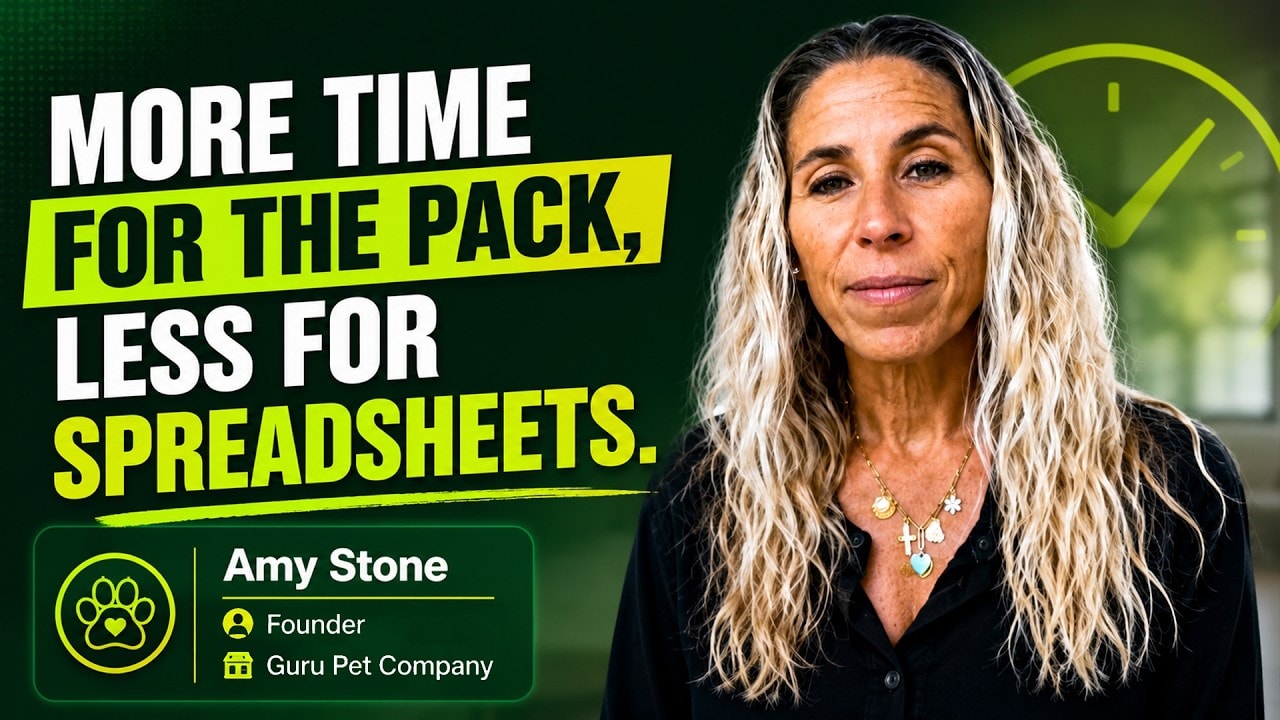
Owners who moved their books to Twelix, on what changed afterward.



01 of 04
Yes, we reconcile each platform on its own settlement report first, then combine them into one P&L. Shopify, Amazon, Etsy, eBay, Walmart and TikTok Shop each pay on different dates and in different formats. Keeping them apart until the end is what lets you see margin by channel. Merged channel sales are a common reason a seller cannot tell which marketplace makes money.
Yes, we track your sales tax exposure each month. We can prepare the returns and hand them to your CPA, or file them for you if you ask and give us access. Since the 2018 South Dakota v. Wayfair ruling, states can tax remote sellers once sales pass an economic nexus threshold. Many states set it at $100,000 a year, and a few set it higher. Marketplace facilitator laws make Amazon, Etsy and Walmart collect tax on their own sales. Your Shopify site sales are not covered, so we count them by state. States change these rules often, so we flag the risk and your advisor makes the call.
We post each return or chargeback against its original order and date it to the right month. Restocking fees, partial refunds, replacement units and chargeback fees each get their own line. Returned units that can be resold go back into stock. Units that cannot are written off, with Amazon's removal or disposal report as proof. This keeps a heavy-return month comparable to a quiet one.
Yes, we work with A2X, Link My Books, Shopify reports and Amazon Seller Central settlement reports. We check any existing mapping before we trust it, because one bad rule misposts every payout it touches. We also work with Stripe, PayPal, Square, Avalara and TaxJar. The ledger stays in QuickBooks Online, Xero or NetSuite, whichever you already use.
Yes, we track COGS per SKU or per product family, built from landed cost. Landed cost is the unit price plus freight, duty, customs broker fees and inbound fees. We match that cost to each sale, not to the day you paid the supplier. Duty rates changed often in 2025, so we update landed cost with each new shipment. The result is a margin per product you can set prices on. For Guru Pet Company, fixing product mappings and inventory moved reported gross profit from 31% to 54%.
Bookkeeping for ecommerce records an online store's sales, fees, inventory and taxes so the books match each payout and the bank. It differs from regular bookkeeping in three ways. Sales arrive net of fees, stock sits in several places, and sales tax depends on where buyers live. Good ecommerce books split every payout back into gross sales, fees and refunds.
Amazon seller bookkeeping splits each settlement report into sales, referral fees, FBA fees, storage fees, refunds and reserves, and books each one separately. Settlements usually run on a 14-day cycle that rarely matches your month end, so we split each one across the right months. Amazon also holds some funds until about seven days after delivery, and we track that hold as money owed to you. FBA stock still belongs to you, so we count it with the rest of your inventory.
No, Shopify reports sales and payouts, but it does not keep a full set of books. It has no balance sheet, no landed cost and no bank reconciliation. It also cannot see your Amazon sales, supplier bills or loan payments. Shopify data flows into QuickBooks or Xero through A2X or a direct sync, and we reconcile it there.
Accrual suits most stores that hold inventory, because it matches product cost to the month the product sells. Under the cash method, one big stock order can wipe out a good month on paper. Under accrual, that stock waits on the balance sheet until it sells. The IRS lets businesses under a gross receipts test choose, and that limit rises each year. Your CPA picks the tax method. We can keep accrual books and still give them a cash view.
Twelix charges one flat monthly fee, set by your channel count, order volume, inventory setup and number of entities. The fee does not rise in a busy month or at peak season. There is no setup fee, and you can stop month to month. The price comes in writing within 24 hours of the review call. Any cleanup of past months is priced on its own.
Yes, we clean up past months as a separate project with its own fixed price, before the monthly close begins. We remap old settlements, rebuild landed cost and move gift card balances to a liability. Then we tie every channel to the bank. Starting monthly work on a wrong opening balance would just carry old errors forward.
You get a Form 1099-K when a platform pays you over $20,000 across more than 200 transactions in a year. The One Big Beautiful Bill Act restored that limit in 2025. The form shows gross payments before fees and refunds, so it rarely matches your net payouts. We tie each 1099-K to the books so your CPA can explain the gap. You owe tax on all income, with or without a form.
Many stores run a second business model on the side. These pages cover how we handle it.

Sell refills or an app on a plan? Deferred revenue there works much like your gift card balance.
View services
Selling packaged food online and at a counter? Daily POS takings and food cost are covered on this page.
View services
Run your own delivery vans? Per-truck cost and fuel records are covered on our trucking page.
View services
Job costs, work in progress and retainage, tracked by job.
View services
Insurance claims, deposits and job cost, tracked by roof.
View services
A P&L for each property, plus escrow and owner draws.
View services
Insurance payments and patient balances, matched to the bank.
View services
Billable hours, work in progress and retainer balances.
View services
Restricted funds, grant tracking and Form 990 prep.
View services
Crop cycles, equipment depreciation and subsidy income.
View services
Recurring memberships, class packs and failed payments.
View services
Client deposits, vendor prepayments and margin per event.
View services
Revenue for each cohort, refunds and instructor pay.
View services
280E cost allocation and seed-to-sale reconciliation.
View services01 of 14
Book a free 30-minute call. Bring one recent payout and your product costs. We will show where the books go wrong and send a flat monthly price, before you sign anything.
Priced flat, not per orderCancel any month