01
Cash that leaves before the crop sells
Seed, fertilizer, cash rent and loan payments go out in spring. The crop may not sell until winter.
What it costs you
The operating line hits its limit early, and grain gets sold at a bad price to pay bills.
Farm accounting services built for a year that pays out in a few weeks. We cost every field and herd and match each grain contract to its settlement sheet. USDA and crop insurance money stays on its own lines, and your month closes by the 10th.
Enterprise P&L · Harvest close
Net farm income $186,300
Certified on the platforms your business already runs on









A farm ledger can balance to the penny and still mislead you. The damage shows up months later. It looks like an operating line that runs dry in July, or a crop that lost money once inputs were counted. Often it is a Schedule F pieced together from a shoebox each spring.
Seed, fertilizer, cash rent and loan payments go out in spring. The crop may not sell until winter.
What it costs you
The operating line hits its limit early, and grain gets sold at a bad price to pay bills.
Fuel, labor, chemical and machine hours are booked to the farm as a whole.
What it costs you
You can't see which ground or which herd is carrying the others.
Stored grain, feeder cattle and prepaid inputs are missing from the year-end balance sheet.
What it costs you
Your lender sees a weaker farm, and income swings hard from one year to the next.
Forward, basis and deferred-payment contracts show up only when the check clears.
What it costs you
Income lands in the wrong tax year, and the timing choices these contracts offer go unused.
ARC or PLC payments, indemnities and disaster aid all post to one other-income line.
What it costs you
Each belongs on a different line of Schedule F, so the return needs rework and the support is hard to find.
Tractors, combines, bins and pivots are bought, traded and financed with no current list.
What it costs you
Depreciation is missed or doubled, and a trade-in or sale brings a tax surprise.
Seasonal help and day labor are paid by check or cash with no payroll record.
What it costs you
Form 943 and W-2 filings don't match, and labor drops out of every enterprise's cost.
Groceries, the family pickup and farm diesel share accounts, cards and fuel tanks.
What it costs you
True farm profit is unclear, and personal costs claimed as farm costs draw audit risk.
Patronage dividends and per-unit retains arrive on Form 1099-PATR and get deposited with no entry.
What it costs you
Farm income is understated, and your equity in the co-op never reaches the balance sheet.
01 of 09
One flat monthly rate covers a full year of bookkeeping for farmers and ranchers, from seed invoices to the lender's balance sheet. Nothing here is billed per acre or sold as an add-on.
Every bushel and head traced from contract to settlement, and each government check on its own line.
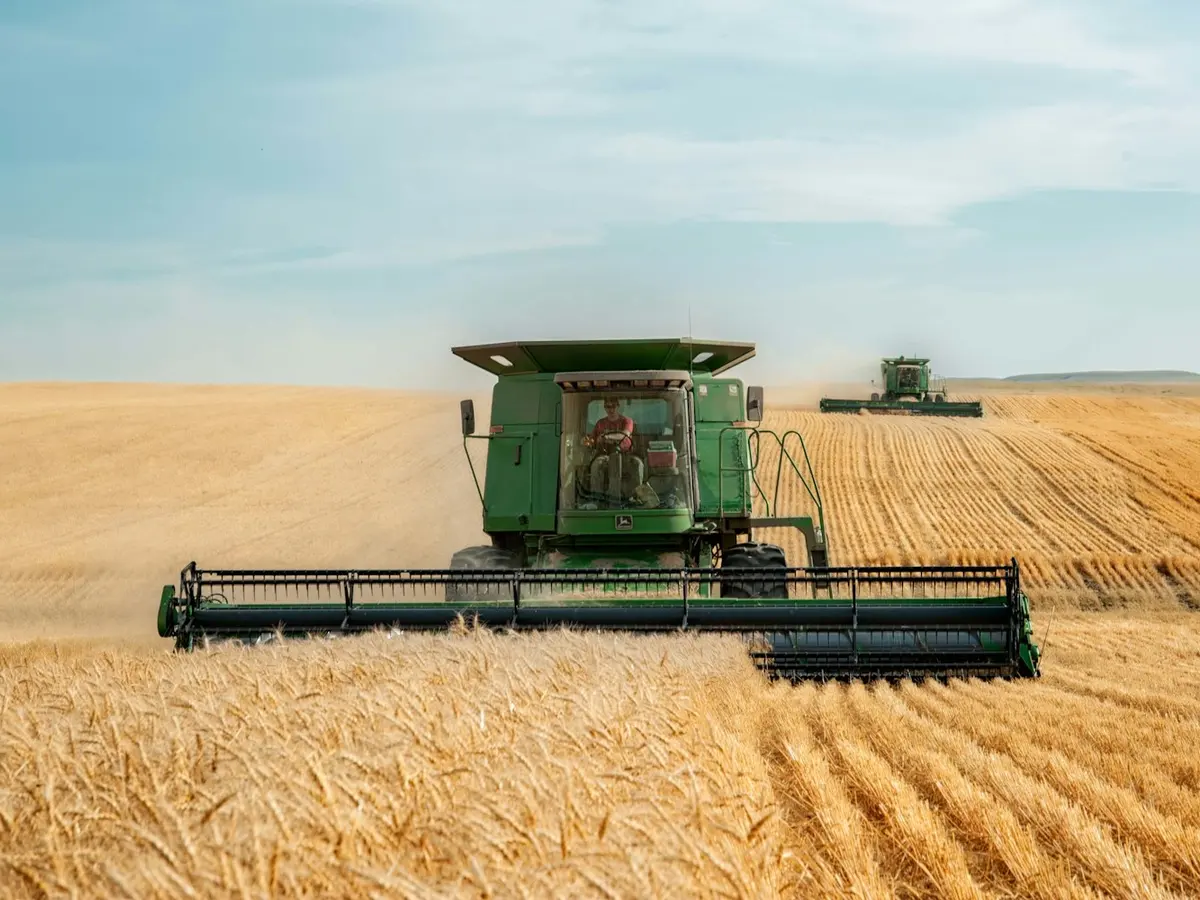
What each acre and head costs to produce, and the equipment and people behind it.
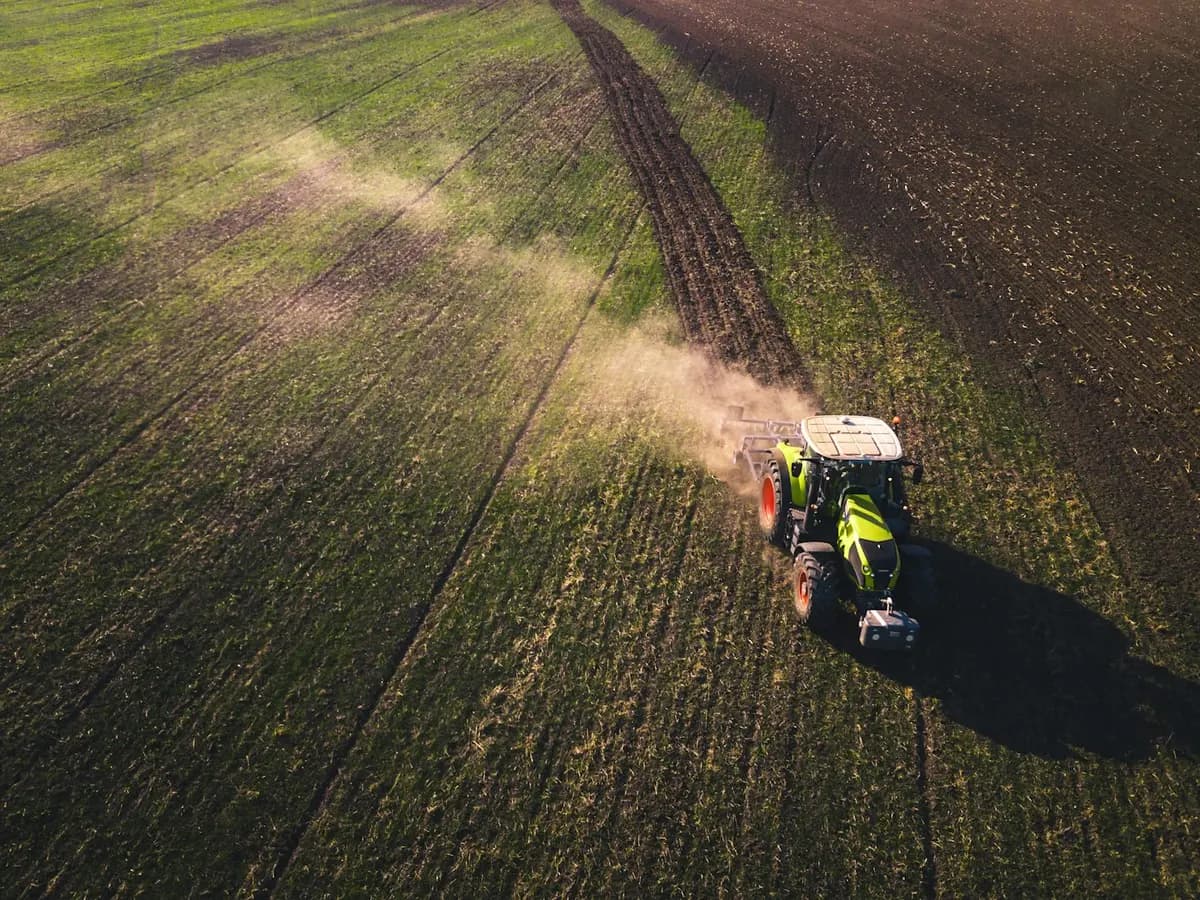
The reports a farm lender asks for, and a year that ends with a clean Schedule F file.
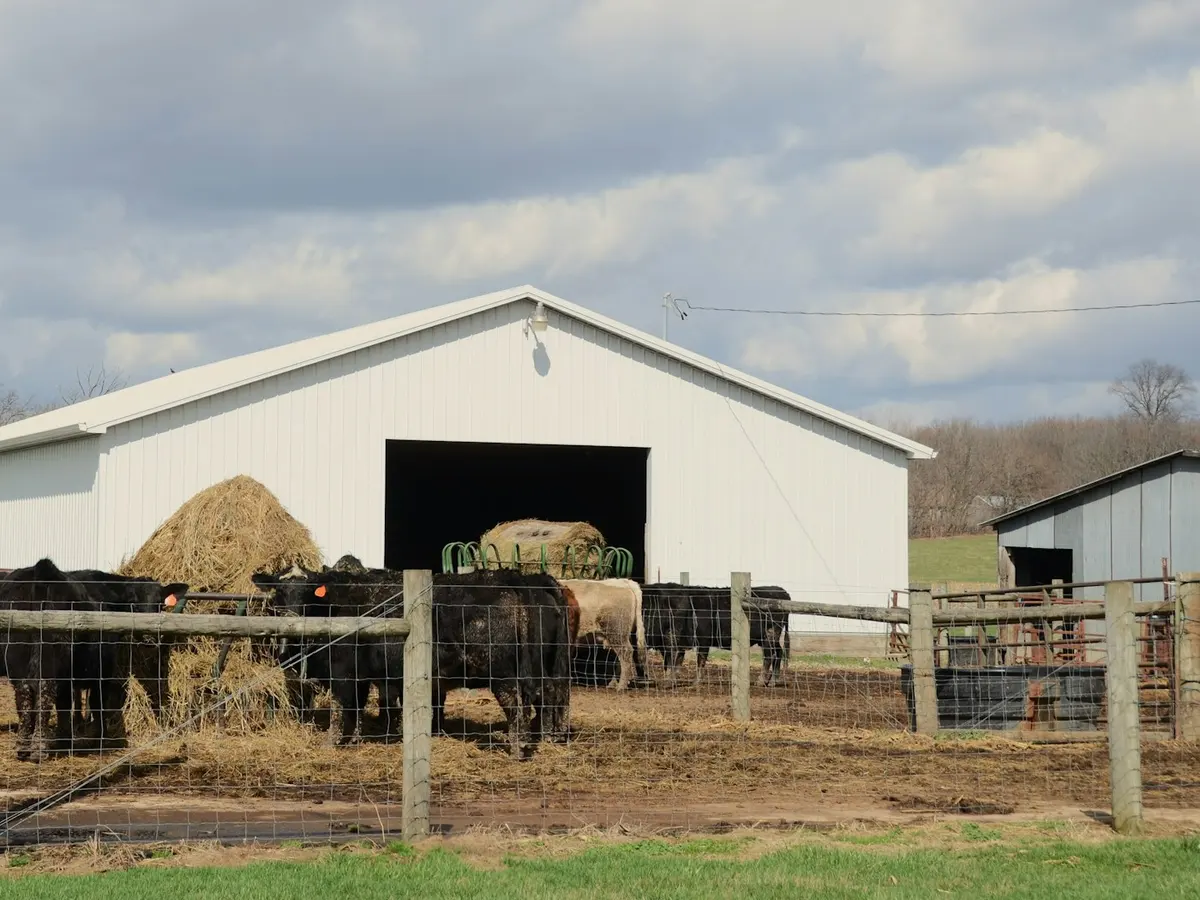
We keep the books in QuickBooks Online, QuickBooks Desktop or Xero. We also read the reports your farm accounting software already makes, whether that is Traction Ag, Granular, FBN or a spreadsheet of field notes. Nothing moves, and nobody in the cab learns a new app.


Tell us about your operation. We will look at how inputs, grain sales and program payments are booked today and show you what is off. Then you get a flat monthly price to keep it right. The review is free, and you are not signing up for anything.
Covered from day one
We see these in most farm files we take over. Each one skews a real choice: what to plant, when to sell, and what to show the lender. All three come from keeping farm books like the books of a shop in town.
| The mistake | What it causes | How we handle it |
|---|---|---|
| 01Letting the tax method pick itself | What it causesFarms get tax choices most businesses don't. When the method is set by habit, income averaging on Schedule J, prepaid inputs and deferred contracts sit unused. | How we handle itWe keep the books so a cash, accrual or blended view is always ready. Then we list the choices your CPA can weigh each year. |
| 02Treating stored grain as worth nothing | What it causesGrain in the bin and cattle on feed are real assets. Leave them out and the farm looks poorer to the bank, and cost of production stays hidden. | How we handle itWe count and value crop and livestock inventory at each close, at cost or market as fits. Income then matches what you actually hold. |
| 03Running every acre as one farm | What it causesWhen costs aren't split by field and herd, a losing enterprise can hide inside a good one for years. | How we handle itWe code every input, machine hour and labor hour to its enterprise. You get cost per acre and per head every month. |
Many farm accounting services stop at a year-end Schedule F. We cost each enterprise every month and review every close. The price stays the same whether you farm 300 acres or 3,000.
Your P&L and balance sheet tell you if the farm made money. These figures tell you where it came from, and how the bank will read it. We explain each one in farm terms.
Every month
Sent with each close, so marketing, input and machinery calls rest on this year's numbers.
Measures: All enterprise costs divided by acres farmed or head carried
Why it matters: The base figure behind every marketing plan and every cash rent bid.
Measures: Projected cash against the operating line until the next harvest check
Why it matters: Seeing the low month early keeps you from selling grain into a weak market.
Measures: Seed, feed, fertilizer and chemical spend against the crop plan
Why it matters: Your largest costs you can control, and the easiest to overspend quietly.
Every year
Worked out after harvest closes, using the Farm Financial Standards Council ratios most ag lenders apply.
Measures: Total farm liabilities divided by total farm assets
Why it matters: The first solvency test a lender runs at renewal time.
Measures: Current assets less current liabilities, as a share of gross revenue
Why it matters: Shows if the farm can carry a bad year, and compares farms of any size.
Measures: Net farm income plus interest, less a charge for your own labor, over average assets
Why it matters: Shows how hard land, machines and livestock work for the money tied up in them.
A general bookkeeper can reconcile a bank account well. Few have matched an elevator settlement to a deferred-payment contract or valued grain in the bin. Here is where that gap shows.
First we read your farm records without changing them. After that, the close runs on fixed dates, through planting and harvest alike.
Day 0
Thirty minutes on how you grow and sell. Then we open the real file to see how inputs, grain checks and USDA money are booked, and what built last year's Schedule F.
Day 1
One monthly price for every enterprise and entity. If past years need fixing first, that cleanup gets its own written quote.
Day 2
You give access to the ledger, bank, lender and payroll. We build fields, crops and herds as classes before we touch a transaction.
Before day 15
Costs recoded by enterprise, contracts tied to settlements, machinery listed and loans reconciled. You start from balances you can defend to a lender.
As loads settle
Input bills, scale tickets, settlements, payroll and program payments coded to their enterprise as they come in.
Day 5
Checking, cards, the operating line and machine notes reconciled. Open contracts checked against settlements.
Day 8
The farm close gets an independent second review. Cost per acre and per head is rerun, and the cash forecast updated.
Day 10
P&L, balance sheet and enterprise report sent, with a few lines on what changed and what needs your call.
Harvest month or slow month, the same dates hold.
We record these as they happen, with the invoice or scale ticket attached. When your preparer opens Schedule F, the support is already filed.
Seed, chemicals, feed, supplements and vet supplies, coded to the crop or herd that used them.
Combines, planters, tractors and irrigation, listed so your CPA can weigh Section 179 or bonus depreciation.
Farm fuel kept apart from personal use, with gallons logged for your CPA's Form 4136 fuel credit review.
Machine repairs, fencing, tile drainage and upkeep of barns and bins.
Cash rent, pasture leases and storage rent, filed with the lease that backs each one.
Federal crop insurance premiums, livestock and property cover, and farm liability.
01 of 06
Farm elections change what you can deduct and when. We keep the records right, and your preparer chooses the treatment.
Owners who moved their books to Twelix, on what changed afterward.



01 of 04
Yes, farm accounting is its own discipline, and we keep farm books every month. It means seasonal cash, cost per acre, grain contracts, crop and livestock inventory, and program payments. It also means tax choices only farms get, such as income averaging on Schedule J. We keep a cash, accrual or blended view ready so your CPA can use the elections that fit.
Farm accounting, also called agricultural accounting, is bookkeeping built for how farms earn and spend: by season, by enterprise and under farm-only tax rules. It covers cost per acre, grain contracts, crop and livestock inventory, USDA payments and machinery depreciation. The goal is books that show which crops and herds make money, plus a clean Schedule F.
Yes, we track costs per crop, per field and per acre every month. Seed, fertilizer, chemical, fuel, labor and machine hours are coded to the crop that used them. Shared costs are split on a written basis. Your planting and marketing plans then start from what each crop really costs to grow.
We handle it with a monthly cash forecast that runs from planting through harvest and grain marketing. It shows your lowest cash month against the operating line. That lets you plan sales, draws and loan payments early instead of reacting to an empty account.
Yes, USDA payments are recorded on their own lines, apart from grain sales and from each other. ARC and PLC payments, CCC loans, crop insurance indemnities and disaster aid are reported differently on Schedule F. Insurance paid for crop damage can sometimes be deferred a year under Section 451(f). Your CPA decides that, and we keep the records that make the choice possible.
Yes, we keep books for cow-calf, feeder, dairy and mixed crop and livestock operations. Raised and bought animals, feed and vet costs are tracked by herd, and inventory is counted at each close. Breeding stock sales go to Form 4797, apart from market animals, because the tax treatment differs.
No single package is best, and most U.S. farms do well with the tools they already run. Some use Traction Ag, which is built for agriculture. Others pair QuickBooks Online or Xero with Granular or FBN for field and yield records. We work in whichever you use, so there is nothing to migrate.
Farm accounting services with us cost one flat monthly fee, never a price per acre. The fee depends on your enterprises, entities, transaction volume and payroll. It holds steady from planting through harvest, with no setup fee. Your written quote follows the review call within 24 hours, and catch-up on past years is priced on its own.
Yes, every machine, bin and building sits on an asset register we update each month. Trades, sales and new notes are recorded as they happen. Your CPA gets a schedule ready for Section 179 or bonus depreciation choices. The 2025 federal tax law raised both limits, so your CPA confirms what applies to each purchase.
Yes, we prepare farm balance sheets on cost and market value, in the layout ag lenders ask for. Crop and livestock inventory, prepaid inputs, machinery and land are all included. Current and noncurrent items are split the way FSA and Farm Credit reviewers expect. Renewals then start from real figures, not an estimate.
Yes, we reconcile farm payroll to your provider, such as Gusto, and code wages to each enterprise. Most farm employers file Form 943, an annual return, instead of the quarterly Form 941. H-2A wages follow their own tax rules. We flag those for your payroll provider and CPA to confirm.
We start with a separate cleanup quote, then rebuild the oldest open year first. Costs are recoded by enterprise, contracts matched to settlements and the machinery list rebuilt. Only then does the monthly close begin, so old errors don't carry forward. Many farms call us just before tax time or a loan renewal.
Many farm families run a second business on the side. These pages show how we keep books for the ones that farm readers ask about most.

For farms that haul their own grain or run a trucking side business with IFTA and fuel records.
View services
Useful if you build bins, tile or sheds for neighbors and want each job costed like a field.
View services
For land held in its own LLC and rented back to the farm, with a separate ledger and lease.
View services
Payouts from every sales channel and sales tax, reconciled.
View services
Insurance claims, deposits and job cost, tracked by roof.
View services
Daily POS sales, tips owed and food cost as a share of sales.
View services
Insurance payments and patient balances, matched to the bank.
View services
Deferred revenue, MRR and R&D tax credit support.
View services
Billable hours, work in progress and retainer balances.
View services
Restricted funds, grant tracking and Form 990 prep.
View services
Recurring memberships, class packs and failed payments.
View services
Client deposits, vendor prepayments and margin per event.
View services
Revenue for each cohort, refunds and instructor pay.
View services
280E cost allocation and seed-to-sale reconciliation.
View services01 of 14
Book a 30-minute farm review. We look at how your inputs, grain sales and USDA payments are booked, show you what is off, and quote one flat monthly price. You decide after that.
No contract termNo setup feeFarm file taken on in 48 hours