01
Annual plans booked in one month
A customer prepays $24,000 for a year, and the whole amount hits revenue the day Stripe pays out.
What it costs you
March looks huge, the next eleven months look thin, and the growth line means nothing.
Stripe shows what customers paid. It does not show what you earned. Our SaaS accounting services spread each plan over the months it covers, tie MRR to the ledger and close your books by the 10th. The figure in your board deck then matches the one in your books.
Plan revenue · March close
Recognized revenue $182,400
Certified on the platforms your business already runs on







A cash-basis ledger records money when it lands. A SaaS company earns it month by month. That gap shows up as a record month that was really a quiet one, an MRR figure the board cannot trace, or diligence that stalls on revenue.
A customer prepays $24,000 for a year, and the whole amount hits revenue the day Stripe pays out.
What it costs you
March looks huge, the next eleven months look thin, and the growth line means nothing.
ChartMogul or Baremetrics reports one MRR, and the ledger shows a different revenue figure.
What it costs you
The board sees two numbers, and nobody can say which one is right.
New, expansion, contraction and churned MRR are never split out month by month.
What it costs you
Strong sales can hide a retention problem until it is too late to fix cheaply.
Fees, refunds, disputes and failed charges are all folded into one bank deposit.
What it costs you
Revenue reads low, fees vanish, and chargebacks are never tied to the customer.
Burn is guessed from what sits in the bank, not from closed books with bills and payroll accrued.
What it costs you
The hiring plan runs on a runway that may be months too long.
Engineer salaries, contractors and cloud costs that count as research are never tagged.
What it costs you
An R&D credit goes unclaimed, and your CPA rebuilds the detail under deadline.
Invoices and contractors in other currencies are converted at whatever rate was handy.
What it costs you
Exchange gains and losses land in the wrong place, and group totals do not tie.
Some states tax software subscriptions, and sales alone can create a duty to collect there.
What it costs you
A liability builds in states you never registered in, and a buyer finds it first.
Sales commissions on multi-year deals are expensed when paid, not spread over the contract.
What it costs you
GAAP statements need restating before an audit, and margin swings with each big deal.
01 of 09
One flat monthly rate covers billing data in and board-ready books out. Nothing below is an add-on, and the fee does not rise as you sign more customers.
Every invoice recognized when it is earned and matched to the cash that came in.

Where the cash goes, which of it counts as research, and how many months it lasts.
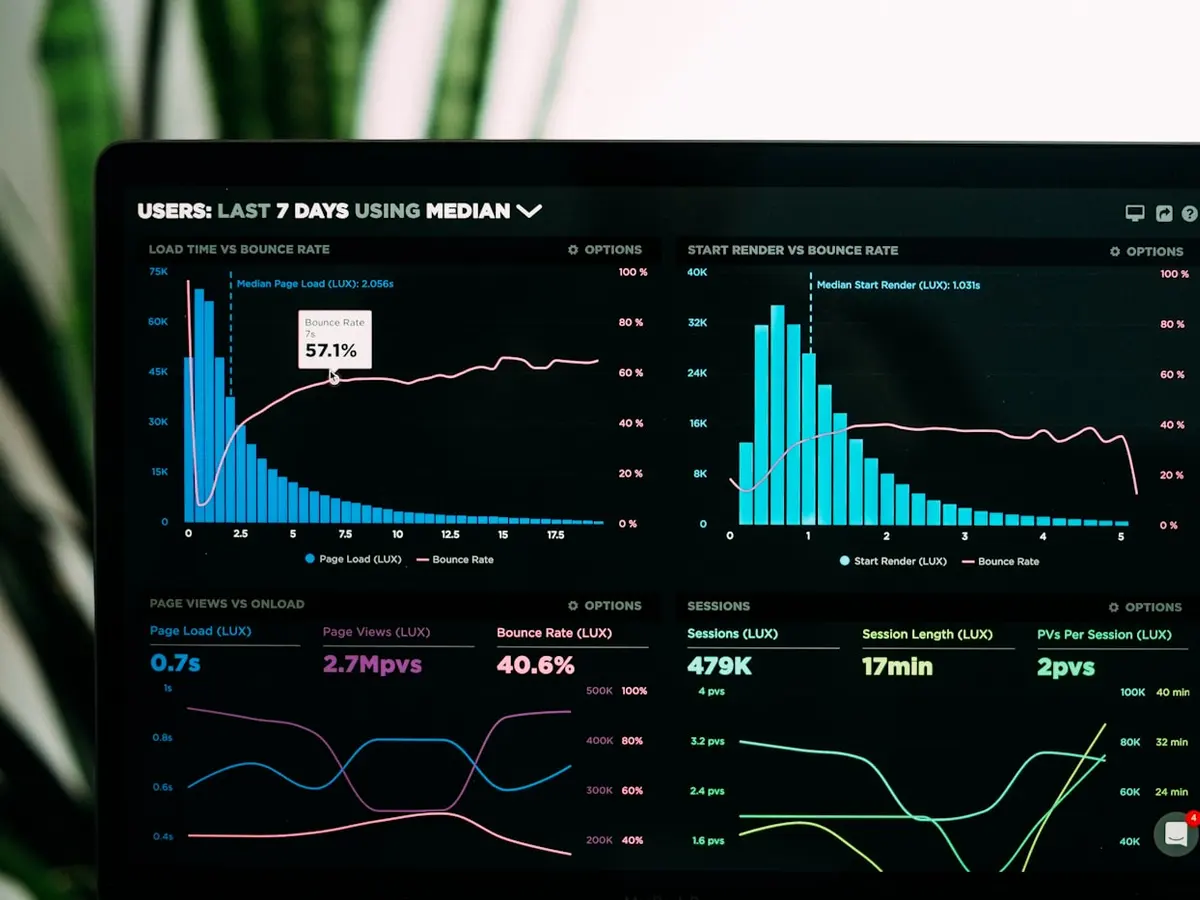
Accrual statements, a metrics pack and a file an auditor or buyer can open without questions.

We work inside the billing, payroll and ledger tools you already pay for. Nothing moves, and your team keeps billing the way it does today.


Tell us how you bill and where your books live. We will look at how plans, deferred revenue and MRR are recorded now and point out what is off. You then get one flat monthly price to keep revenue booked right. It costs nothing and commits you to nothing.
Covered from day one
We see these in most SaaS books we take over. Each one skews a different call: how fast to hire, what the company is worth, and how long diligence takes. All three start with books kept on a cash basis.
| The mistake | What it causes | How we handle it |
|---|---|---|
| 01Booking annual prepayments up front | What it causesOne month carries a full year of revenue. The other eleven look weak, and the service you still owe never shows as a liability. | How we handle itWe release each plan over the months it covers. The unearned part sits in deferred revenue, rolled forward and checked every month. |
| 02Letting MRR drift from the ledger | What it causesWhen the metrics app and the books disagree, every board meeting opens with a question nobody can answer. | How we handle itWe tie the MRR bridge to recognized revenue each month. Any gap gets a named cause, like a paused plan or a credit note. |
| 03Leaving research costs untagged | What it causesResearch pay mixed into general payroll means a credit is missed and your CPA rebuilds the detail at filing time. | How we handle itWe tag qualifying engineer pay, contractors and cloud spend as it posts, and keep the support your CPA asks for. |
Many SaaS accounting services stop at a cash-basis profit and loss. We add accrual entries, a second-person review on every close and metrics tied to the ledger. The fee stays flat as your customer count grows.
The three statements tell you where you stand. These six figures tell you where a subscription business is heading. Each one comes with a plain note on what it means.
Every month
Sent with each close, so hiring and pricing calls rest on last month, not last quarter.
Measures: New, expansion, contraction, churn
Why it matters: It splits growth from retention. Investors read this line before any other.
Measures: Revenue less hosting and support
Why it matters: Software should keep most of each dollar. A falling margin means hosting or support has outgrown your prices.
Measures: Cash burned per month, months left
Why it matters: Every hiring plan and raise timeline starts here, so it has to come from closed books.
Every year
Worked out at year end. These are the first figures an investor or acquirer will ask to see.
Measures: Revenue kept from last year's customers
Why it matters: Above 100% means you grow with zero new sales. Few figures move valuation more.
Measures: Months of margin to repay acquisition
Why it matters: CAC, customer acquisition cost, is sales and marketing spend per new customer. Payback shows if growth spend earns its keep.
Measures: Year-over-year change in ARR
Why it matters: ARR, annual recurring revenue, is the headline in any raise. It has to trace back to recognized revenue.
Cash-basis books work fine for a shop. Accounting for SaaS companies needs a deferred revenue waterfall and an MRR bridge tied to the ledger. Here is where the two part ways.
First we map your billing data to the ledger without changing either. From then on, each month closes on fixed days.
Day 0
A 30-minute call and a look at your real file. We check how plans are booked, whether deferred revenue exists and where MRR comes from.
Day 1
One monthly price covering every entity and billing tool. Restating past months, if needed, is priced as a separate project.
Day 2
You grant access to the ledger, billing tool, payroll and bank. We check revenue accounts and the Stripe sync before posting anything.
Wk 1-2
We build the deferred schedule from billing history, reconcile Stripe, book prepaids and tie MRR to revenue. Your opening balances then hold up.
Ongoing
Charges, refunds, payroll and vendor bills are coded by department as they post, not piled up for month end.
Day 5
Bank, Stripe and payroll reconciled. Revenue released from the deferred schedule, with accruals and prepaids booked.
Day 8
A reviewer who took no part in the prep checks the entries. Then the MRR bridge is tied to revenue, and burn and runway are updated.
Day 10
Accrual statements and the metrics pack arrive, with a short note on what moved and what needs your call.
Each month closes on the same days, whatever the billing volume.
We tag these as they post, all year. At tax time your preparer finds each one in the file, with the support already attached.
Since 2025, U.S. research costs can again be deducted in the year paid. Research done abroad is still spread over 15 years.
AWS, Google Cloud or Azure bills, plus GitHub, Datadog and the other tools engineers use.
U.S. and foreign developers, plus legal, audit and recruiting fees.
Ad spend, content, events and the sales tools behind your pipeline.
Site visits, investor meetings and conferences, with the purpose noted on each trip.
Coworking desks, home office stipends and gear for a distributed team, where they qualify.
01 of 06
Your entity and facts decide which of these apply. We keep the records. Your CPA decides the treatment, including any R&D credit on IRS Form 6765.
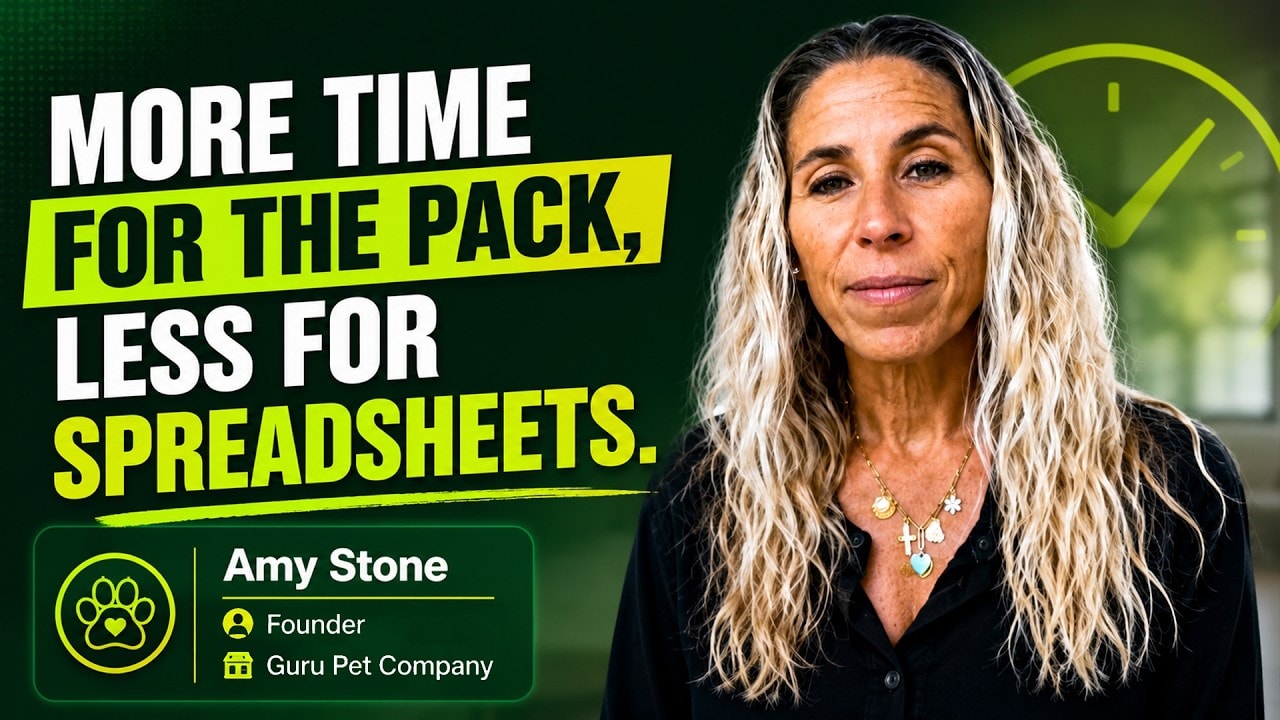
Owners who moved their books to Twelix, on what changed afterward.



01 of 04
Yes, we track MRR and ARR each month and tie both to the revenue in your ledger. MRR is monthly recurring revenue, and ARR is annual recurring revenue. We build the bridge from opening MRR through new, expansion, contraction and churn. Then we match it to recognized subscription revenue. Any gap gets a cause, such as a paused plan or a one-off credit.
Yes, we keep a deferred revenue schedule and roll it forward every month. Deferred revenue is cash billed for service you have not delivered yet. A $12,000 annual plan paid in January earns $1,000 a month. The rest sits on the balance sheet and is released month by month. We agree the schedule to the balance sheet at each close.
Yes, we keep accrual books with a monthly close, so investor-ready statements exist before the raise starts. This is where startup accounting services pay off. The pack has a balance sheet, income statement, cash flow statement, MRR bridge, burn and runway. If past months sit on a cash basis, we quote a cleanup to convert them first. That is priced apart from the monthly fee.
Yes, we work out net burn and runway from the closed books every month. Net burn is cash out less cash in. Runway is cash on hand divided by net burn. We use closed, accrued figures, so one big annual invoice or an unpaid bill does not skew the answer.
We keep the records an R&D credit needs, and your CPA or credit specialist makes the claim. We tag engineer pay, contractor costs and cloud spend by project as they post. The credit itself is claimed on IRS Form 6765. The deduction rules also changed in 2025. Section 174A lets U.S. research costs be deducted in the year paid again, while foreign research is still spread over 15 years. How this applies to you is your CPA's call.
SaaS accounting is bookkeeping for subscription software, where customers pay up front for service delivered over time. That timing gap drives the rest. Revenue is spread over each plan's term. Metrics like MRR and churn have to tie to the ledger. Commissions and prepaid costs are spread too. A cash-basis ledger handles none of this on its own.
ASC 606 says you record revenue as you deliver the service, not when the customer pays. It is the U.S. GAAP standard for revenue from customer contracts. For most SaaS plans, that means equal slices over the term. Setup fees that are not a separate service are usually spread over the contract too. Where a contract needs judgment, we write it up and your CPA or auditor decides.
It depends on whether you are the vendor or the customer. As the vendor, onboarding fees you charge are usually spread over the subscription under ASC 606. A company buying cloud software usually capitalizes its setup costs under ASC 350-40 and spreads them over the contract. FASB updated ASC 350-40 in 2025, for years starting after December 15, 2027. Your auditor sets the final policy.
Under GAAP, commissions on contracts longer than a year are usually capitalized and spread over the period they benefit. The rule is ASC 340-40. It often includes expected renewals. If the benefit lasts a year or less, you may expense the cost right away. We set up the schedule once and amortize it every month.
Sometimes, because only some states tax SaaS subscriptions. Texas, New York, Washington and Pennsylvania are among those that do. Economic nexus, a duty to collect created by sales alone, often starts at $100,000 of sales into a state. We track sales by state each month and flag when you get close. Registration and filing decisions stay with you and your tax adviser.
QuickBooks Online or Xero suits most early SaaS companies, and NetSuite fits once you have several entities or an audit. The billing tool matters as much as the ledger. Stripe Billing, Chargebee and Recurly hold the invoice data that drives deferred revenue. We work inside whatever you already use, so there is no migration to pay for.
Twelix charges a flat monthly rate set by the work, not by your MRR or customer count. We price from billing volume, entities, currencies, payroll size and reporting needs. There is no setup fee, and you can stop any month. You get the figure in writing within 24 hours of the call. Any catch-up work on past months is quoted on its own.
Many software companies also bill services, sell online or run courses. These pages cover how we keep books for those revenue models.

Useful if you bill implementation or consulting hours next to your subscriptions.
View services
Read this if you also sell hardware or one-off licenses through Shopify or Amazon.
View services
Relevant if you sell training, cohorts or memberships beside the core product.
View services
Job costs, work in progress and retainage, tracked by job.
View services
Insurance claims, deposits and job cost, tracked by roof.
View services
A P&L for each property, plus escrow and owner draws.
View services
Daily POS sales, tips owed and food cost as a share of sales.
View services
Insurance payments and patient balances, matched to the bank.
View services
Cost per mile, IFTA fuel tax and driver pay, tracked.
View services
Restricted funds, grant tracking and Form 990 prep.
View services
Crop cycles, equipment depreciation and subsidy income.
View services
Recurring memberships, class packs and failed payments.
View services
Client deposits, vendor prepayments and margin per event.
View services
280E cost allocation and seed-to-sale reconciliation.
View services01 of 14
Walk us through your billing on a 30-minute call. We will point to where revenue is booked too early, then send one flat monthly price. Nothing is owed until you say yes.
No setup fee. Cancel any month. Live in 48 hours.